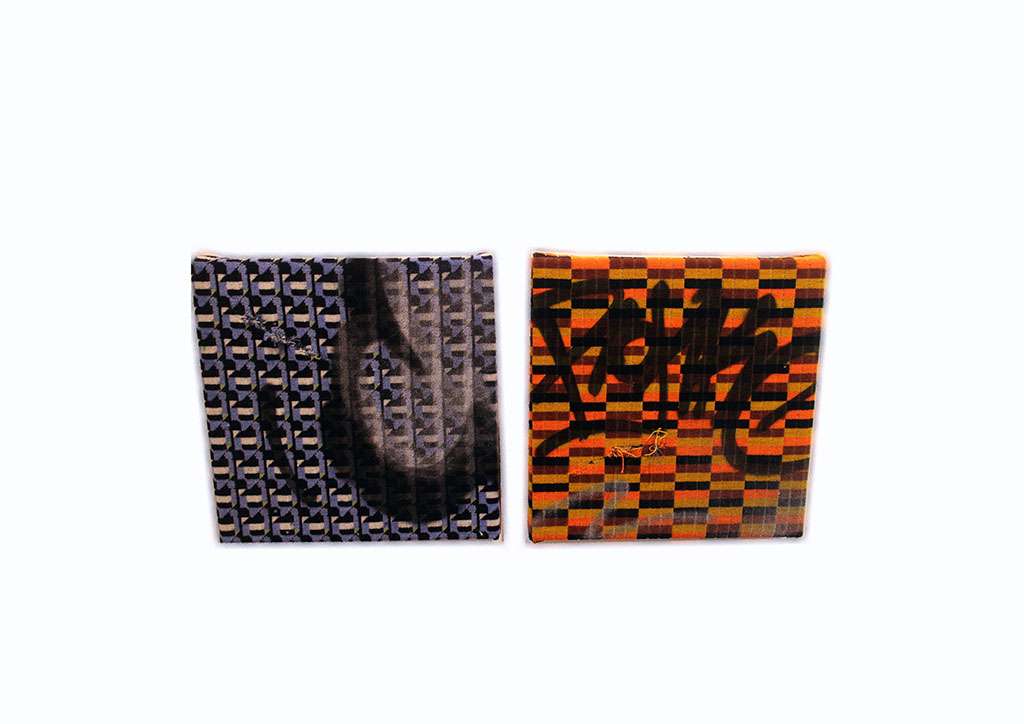
4me4you features - ‘The Good, the Bad, the God and Her Lover’ .
ABOUT ME
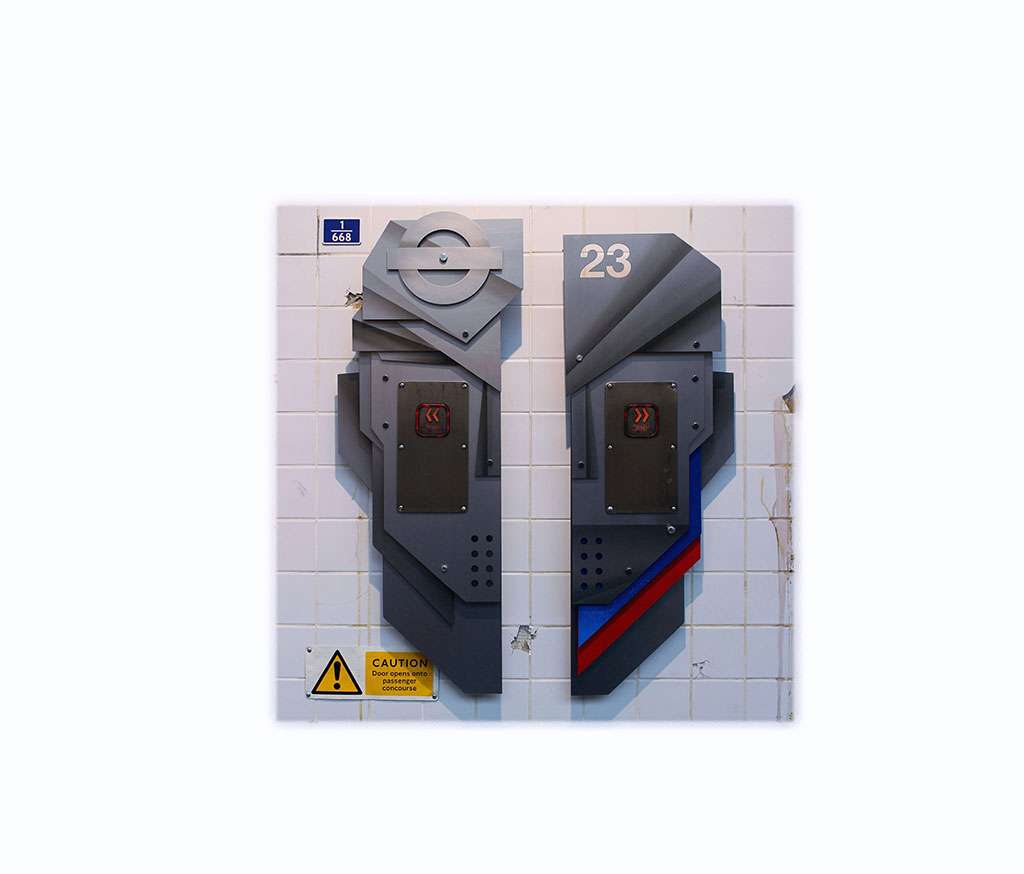
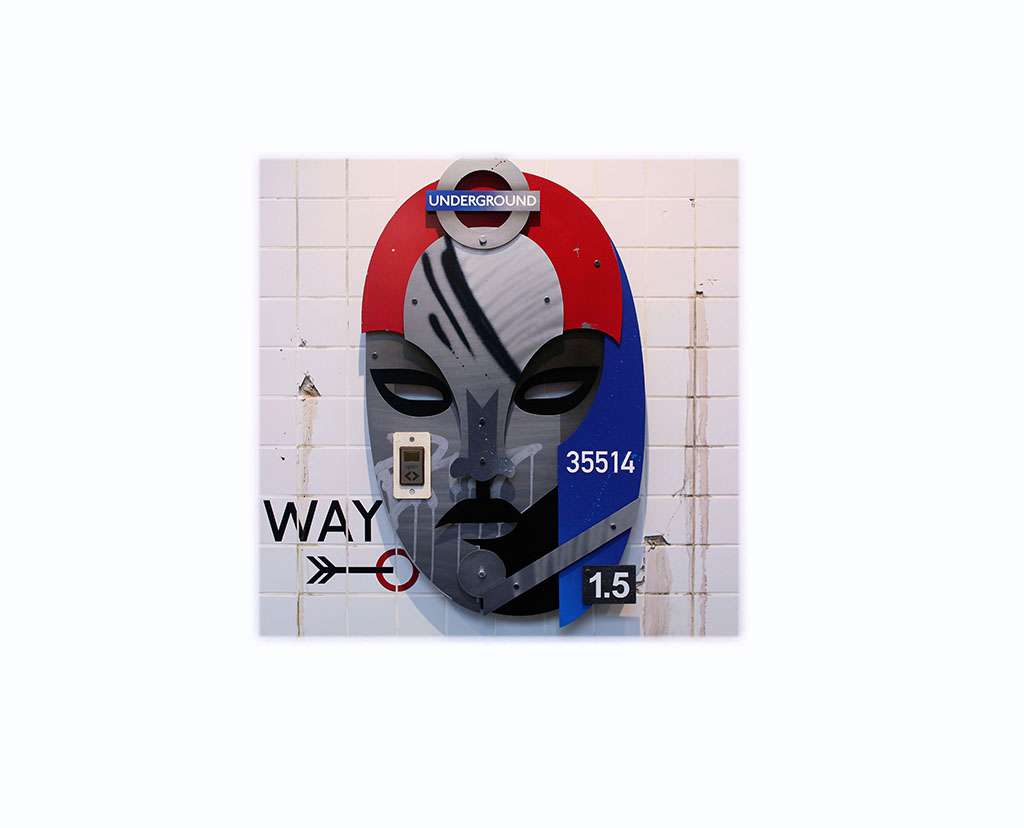
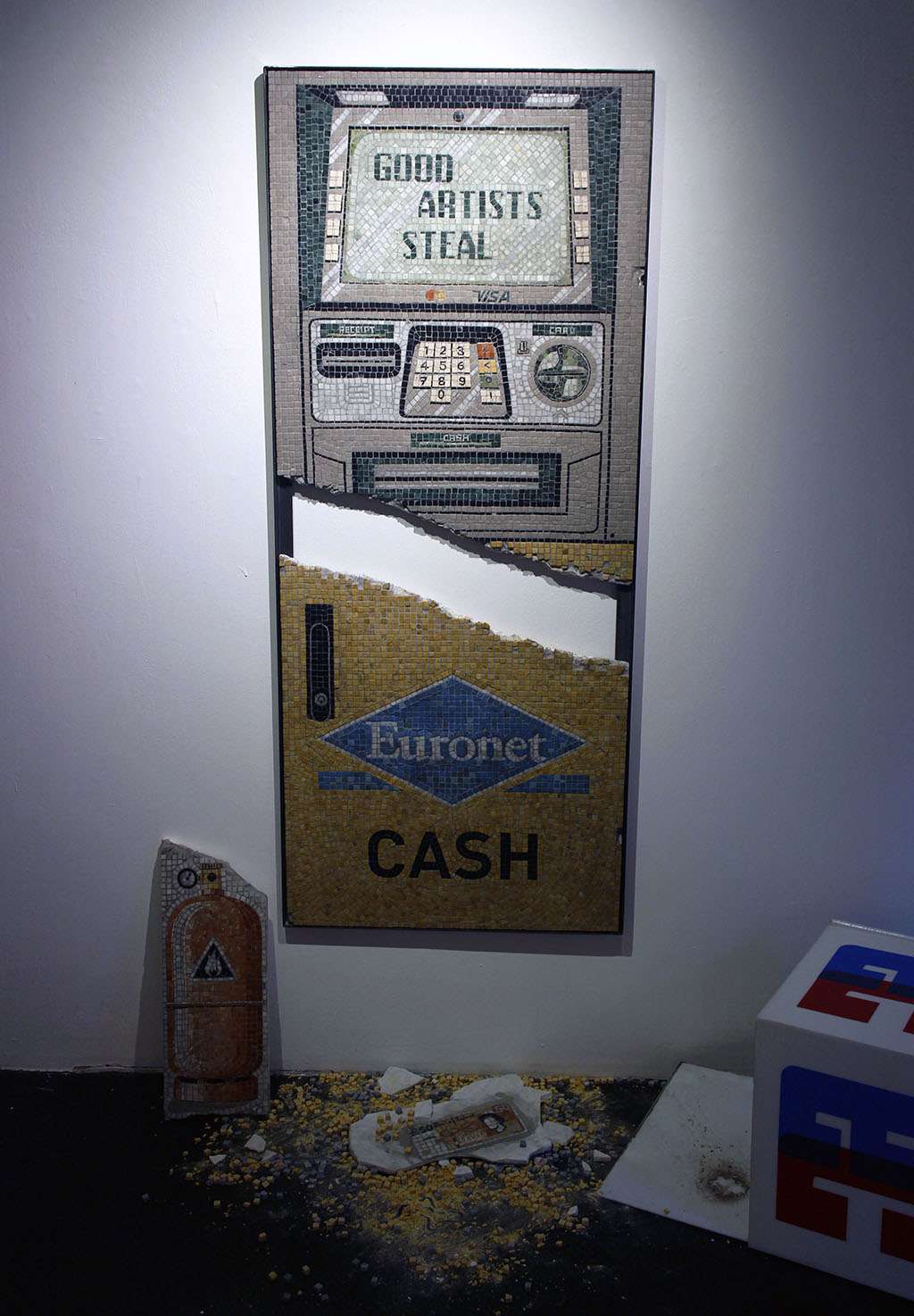
During a recent visit, 4me4you stepped into StolenSpace Gallery to explore The Good, the Bad, the God and Her Lover, a striking exhibition by Rocco and His Brothers.
MY PROCESS
The Berlin-based collective, active within the city’s graffiti scene since the early 2000s, continues to shape contemporary urban discourse through its distinctive visual language.
‘The Good, the Bad, the God and Her Lover’
Maintaining a careful balance between visibility and anonymity, the group is recognised for its socio-political interventions, large-scale installations, and sharp, satirical works situated within public space and urban infrastructure.
Their practice brings attention to injustices that often unfold unnoticed, blending subcultural references with critical commentary and symbolic depth to reflect the complexities of the present moment.
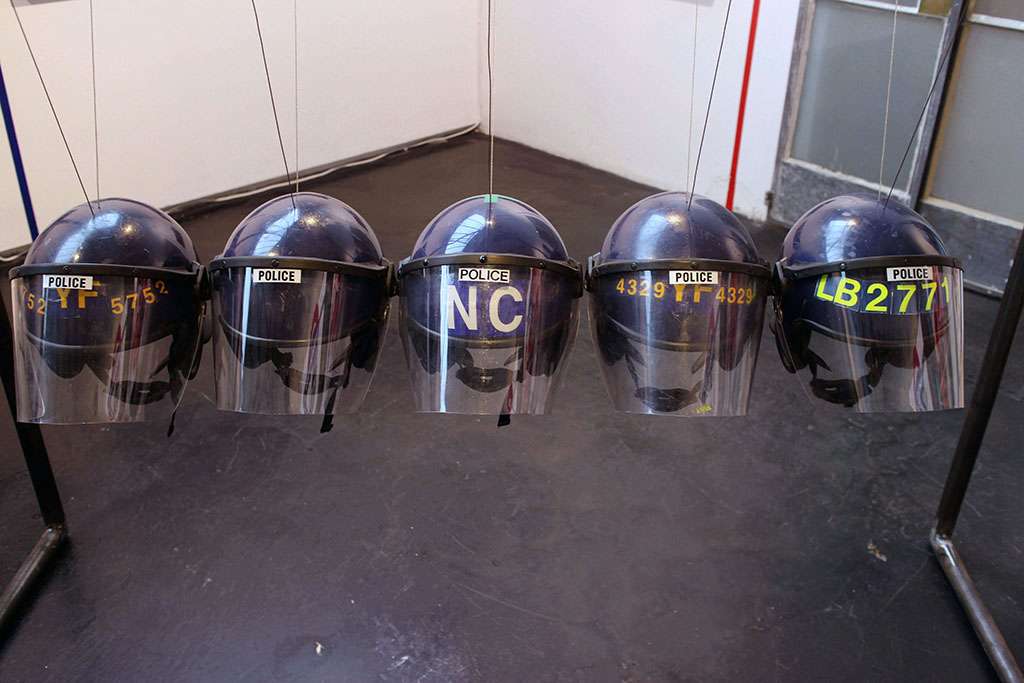
In this latest exhibition, the artists examine the concept of the panoptic state, interrogating the systems that enable and sustain unchecked authority.
Through themes of surveillance, control, and visibility, The Good, the Bad, the God and Her Lover considers how power is constructed and maintained in contemporary society.
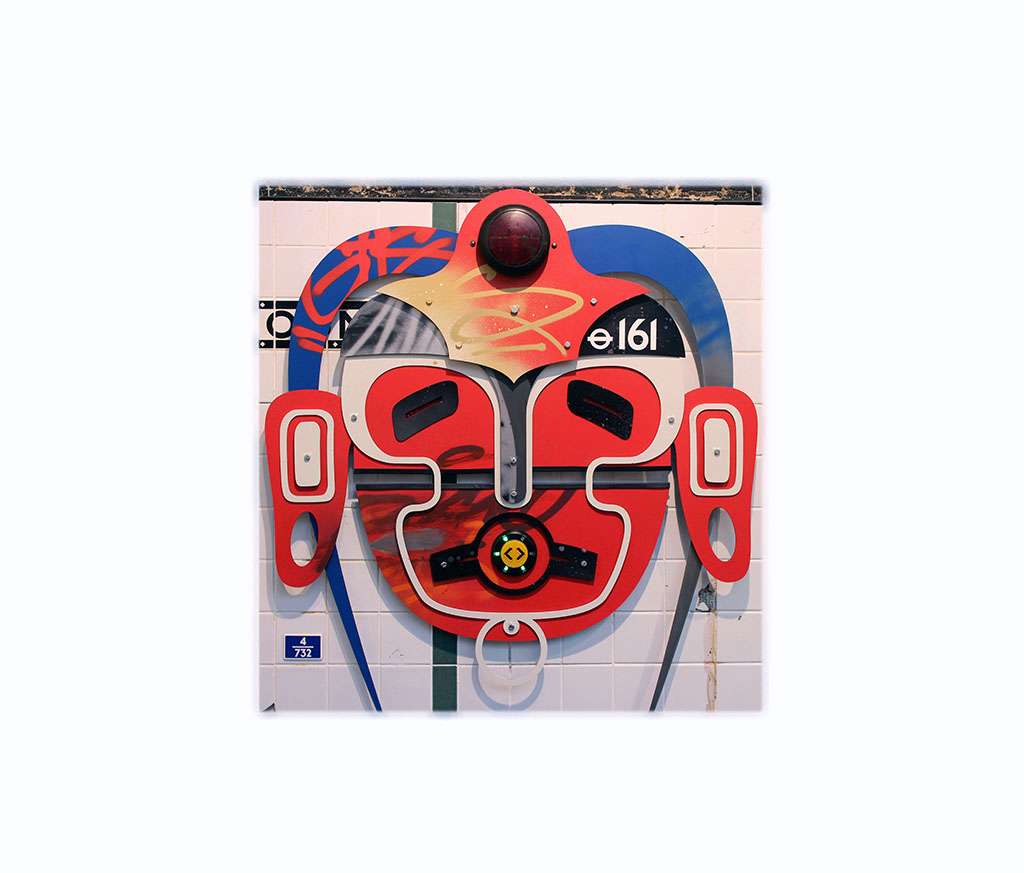
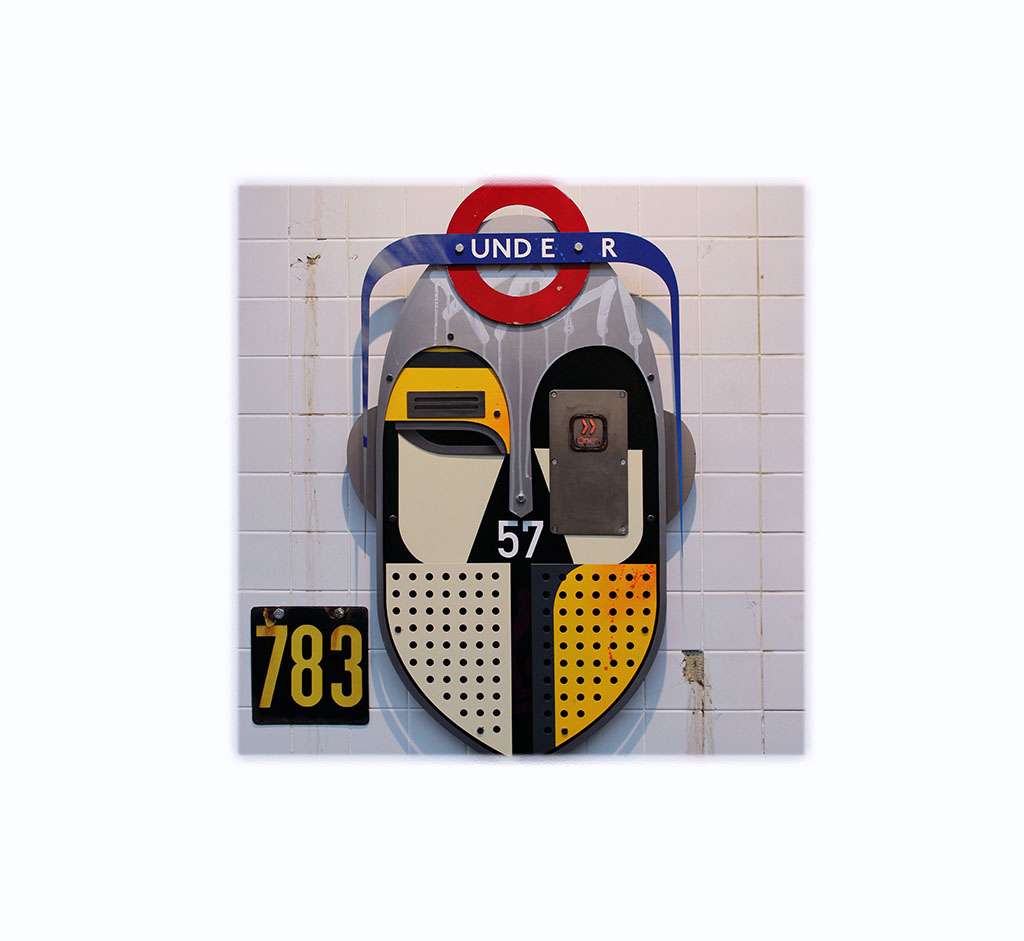
Material experimentation plays a central role in the exhibition, as the collective challenges the arbitrary nature of dogma and the reliance on symbolism to assert dominance.
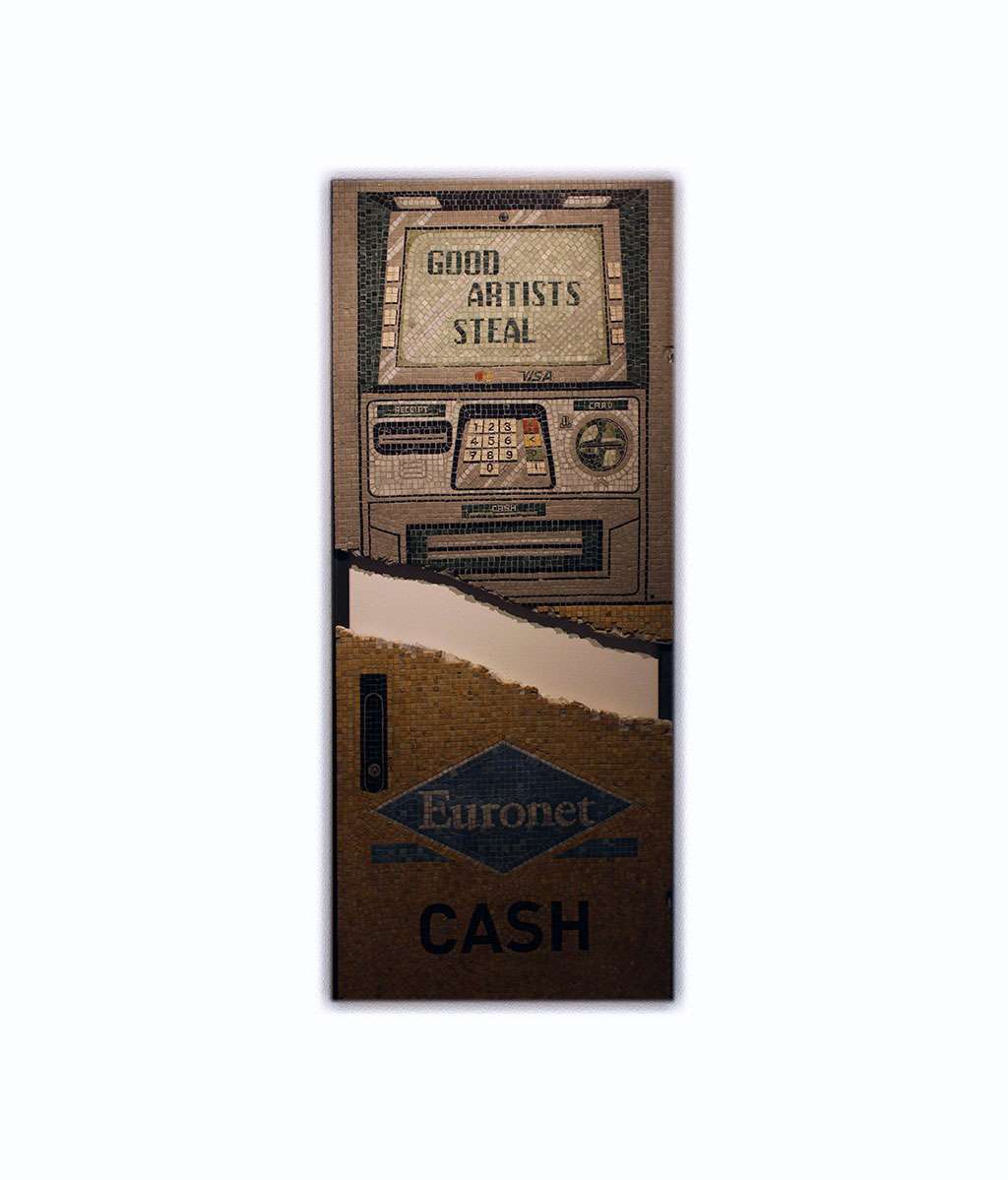
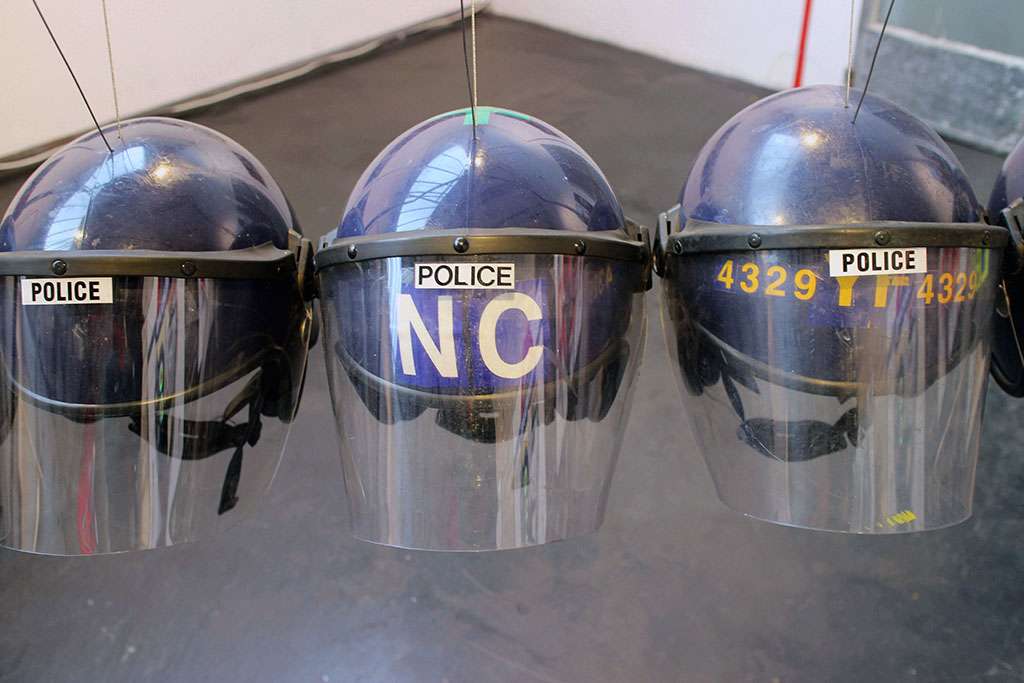
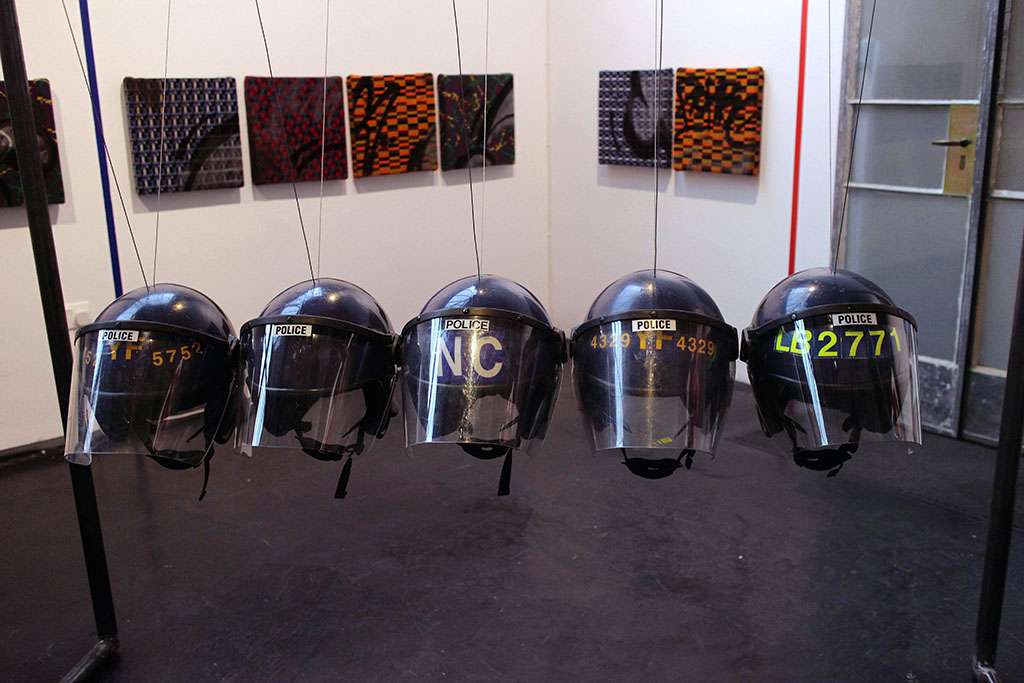
By merging subculture with traditional craftsmanship, the artists draw parallels to the narrative permanence of ancient mosaics, transforming fleeting elements of internet culture into enduring forms, memes carved in marble and riot shields rendered in stained glass.
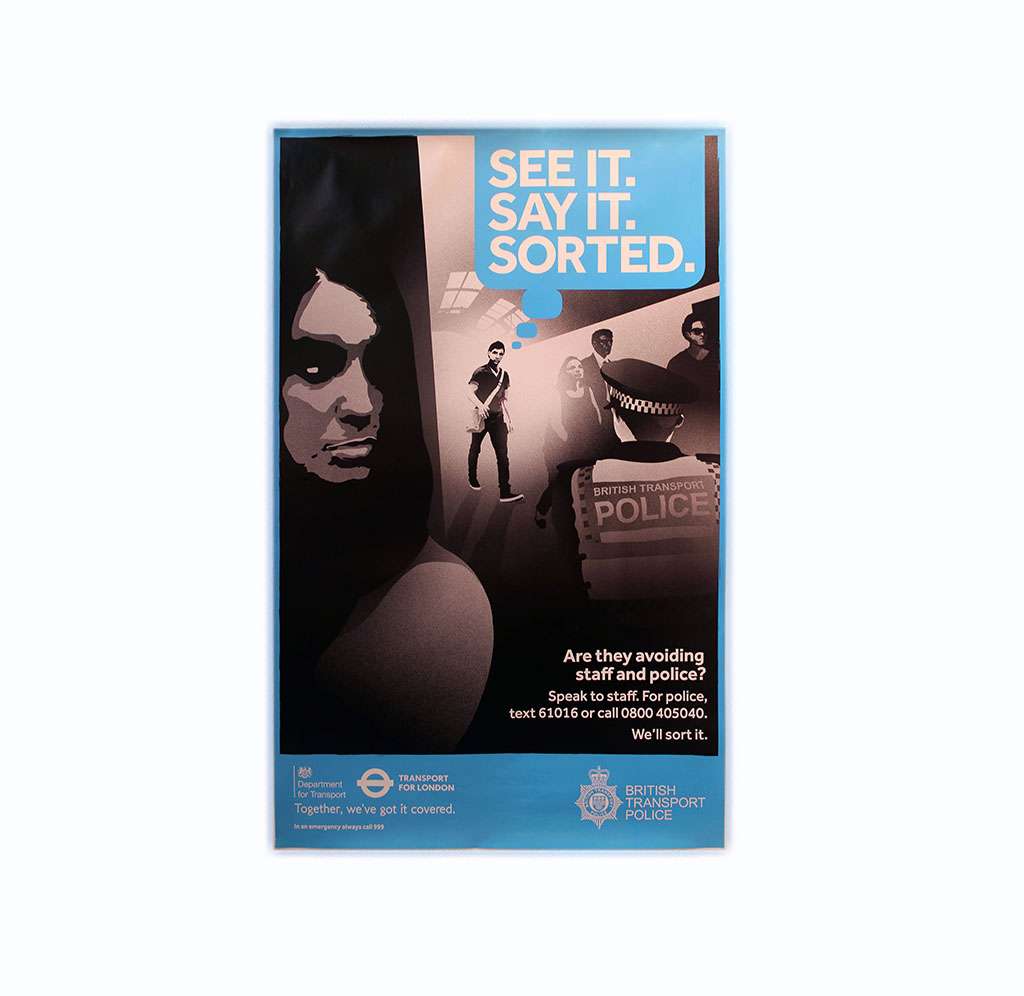
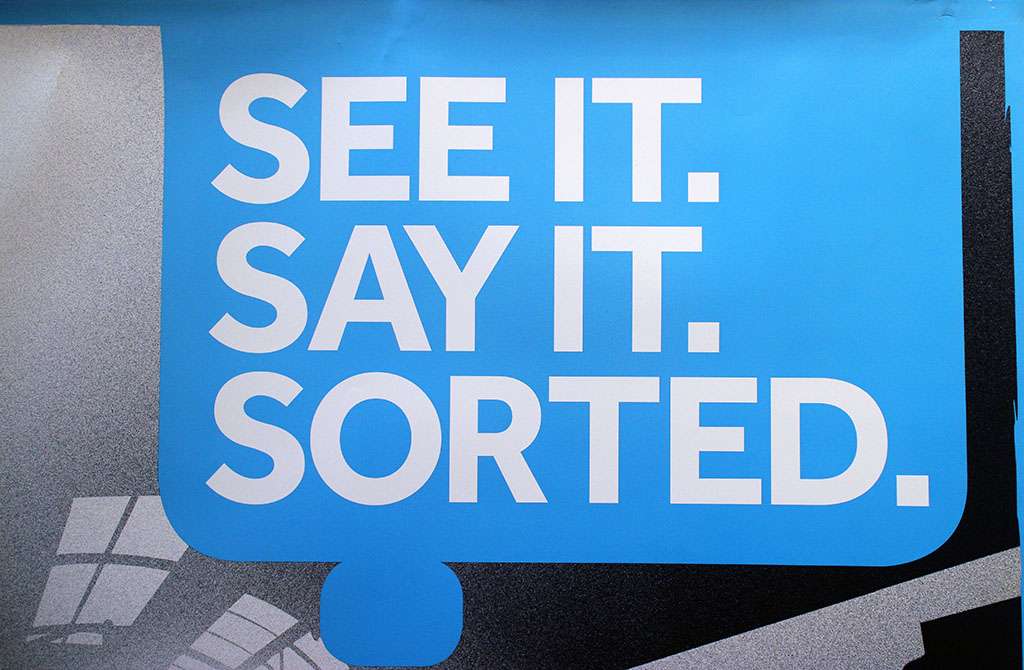
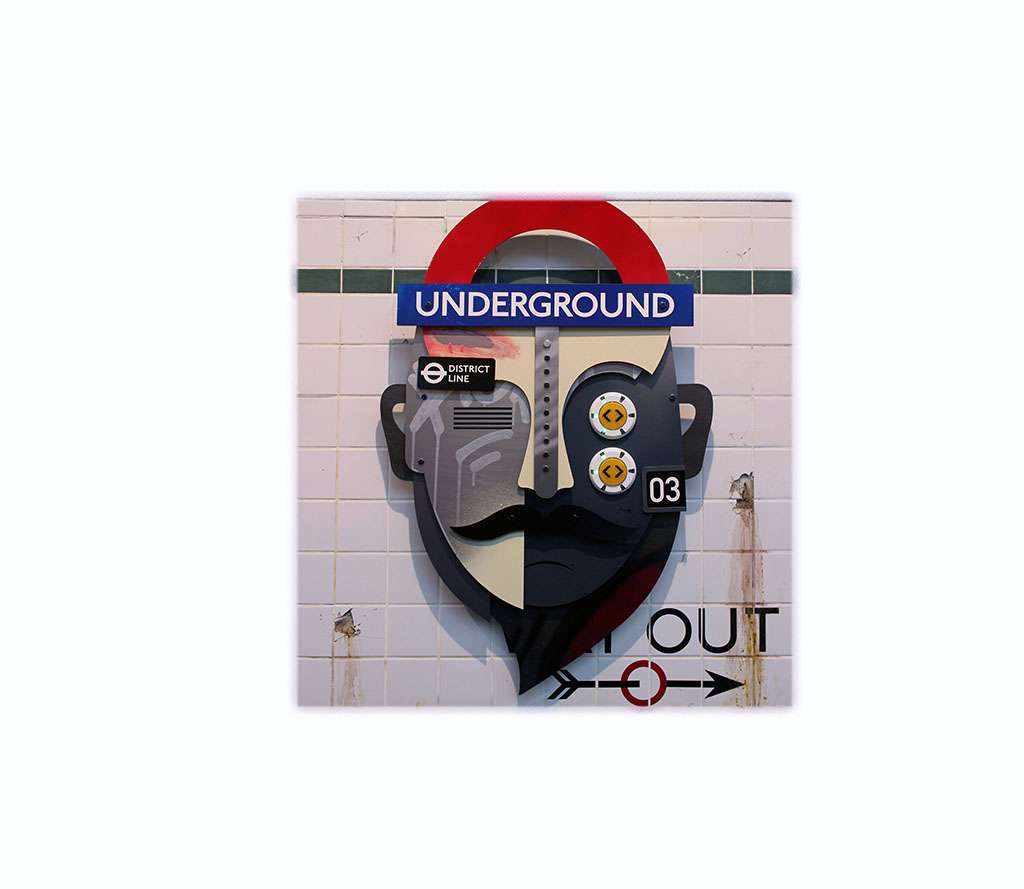
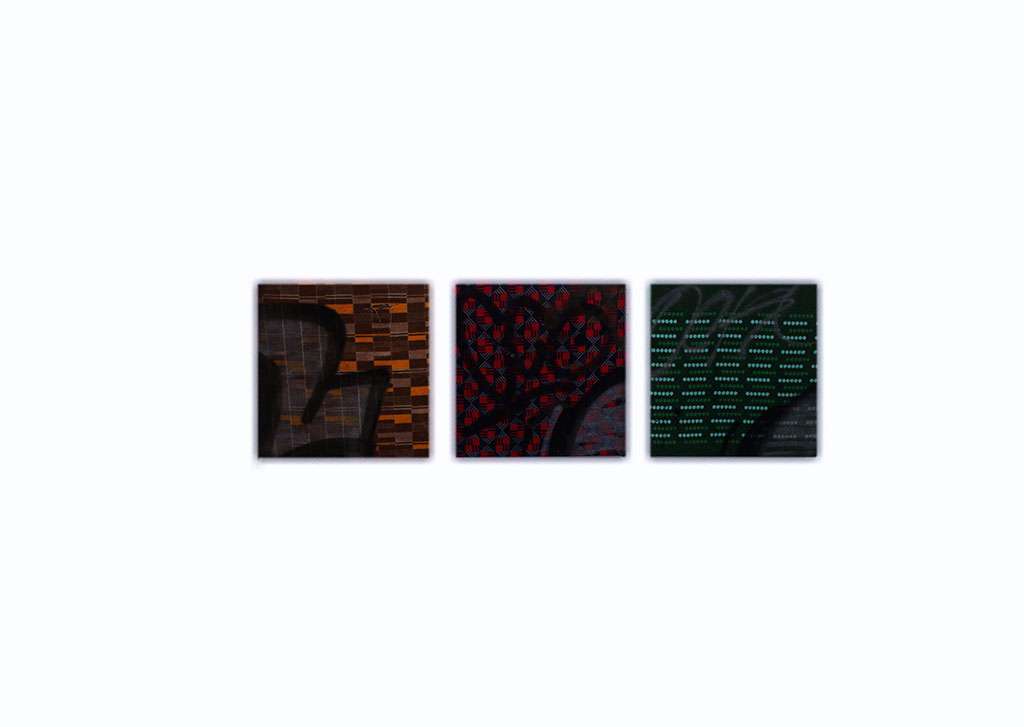
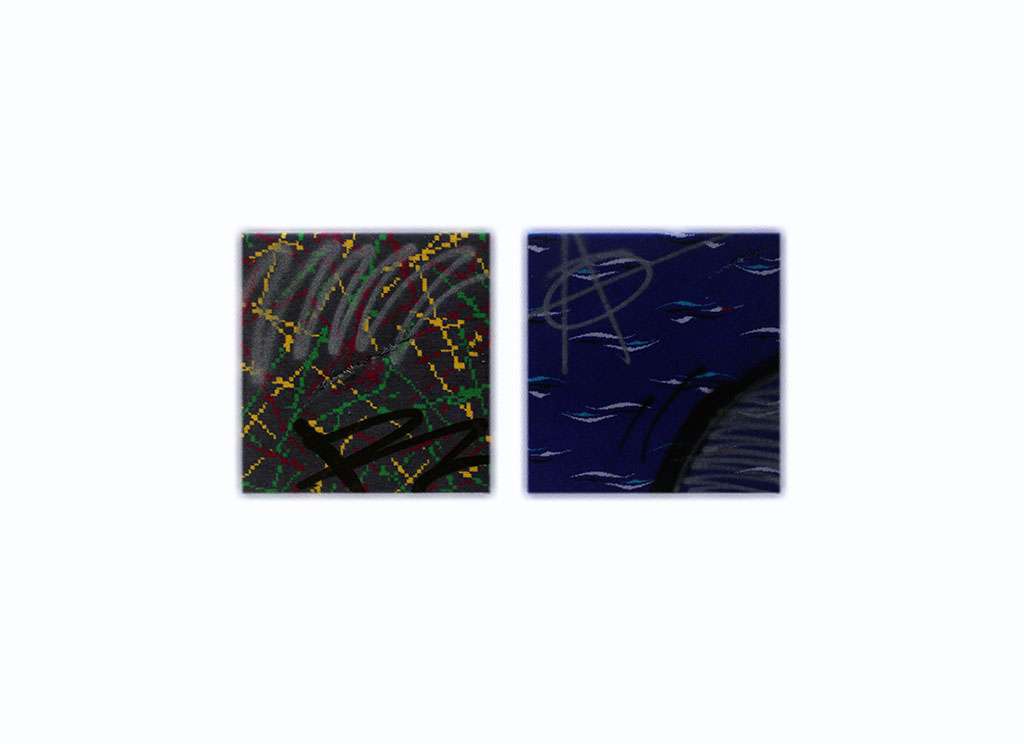
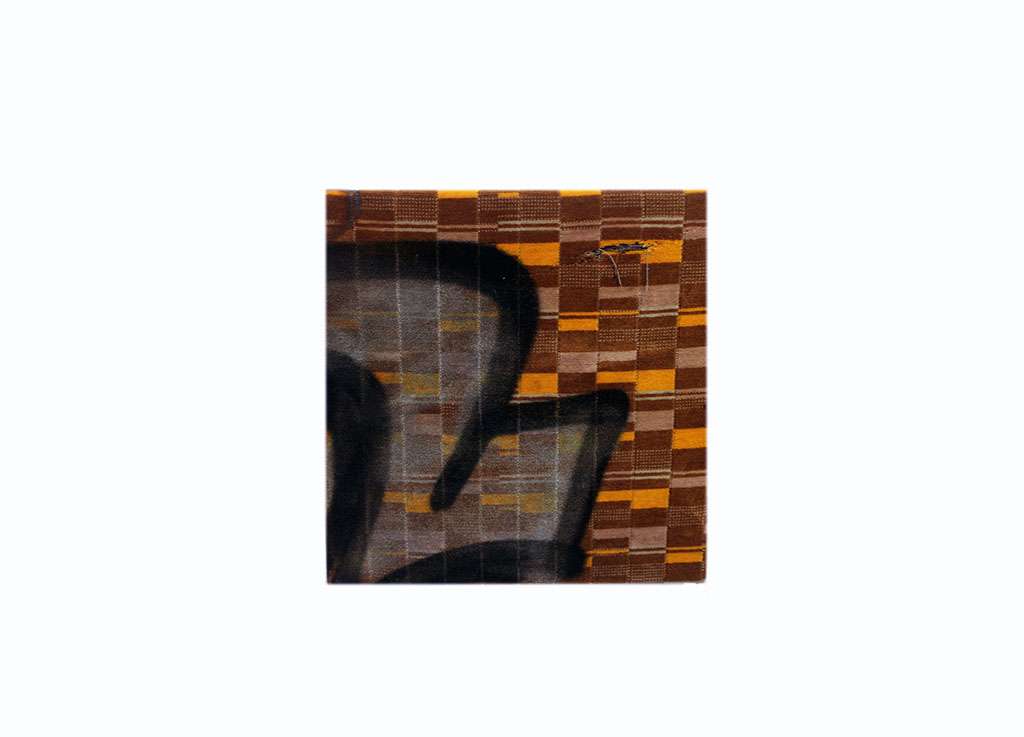
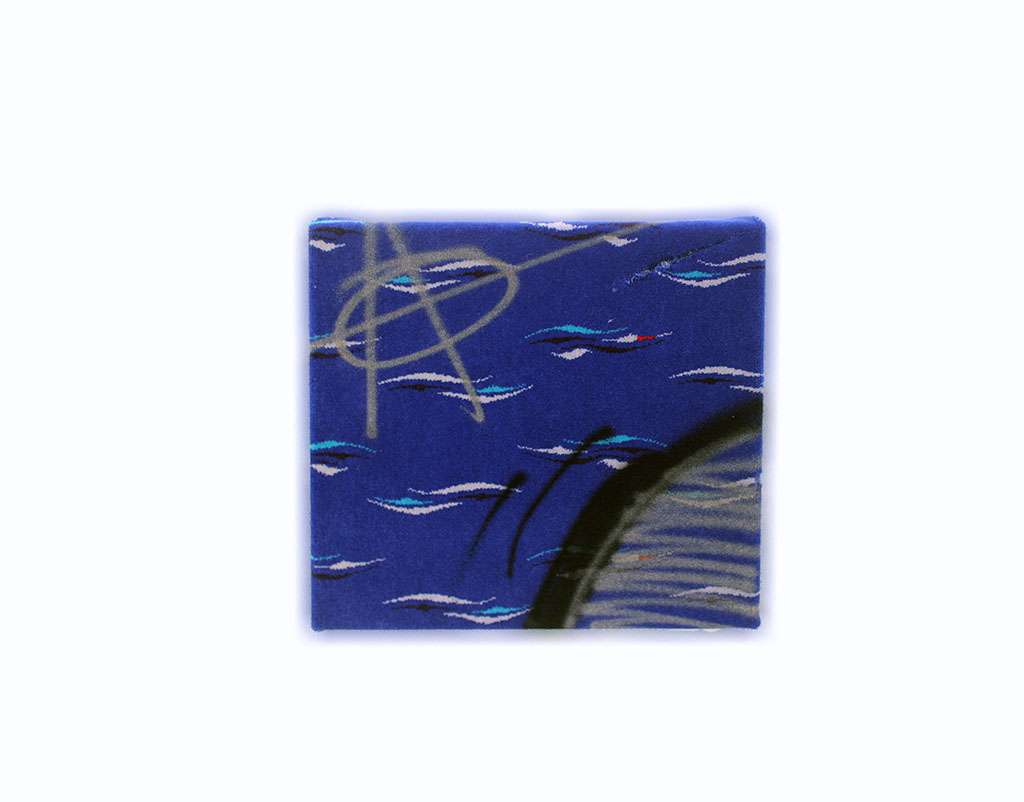
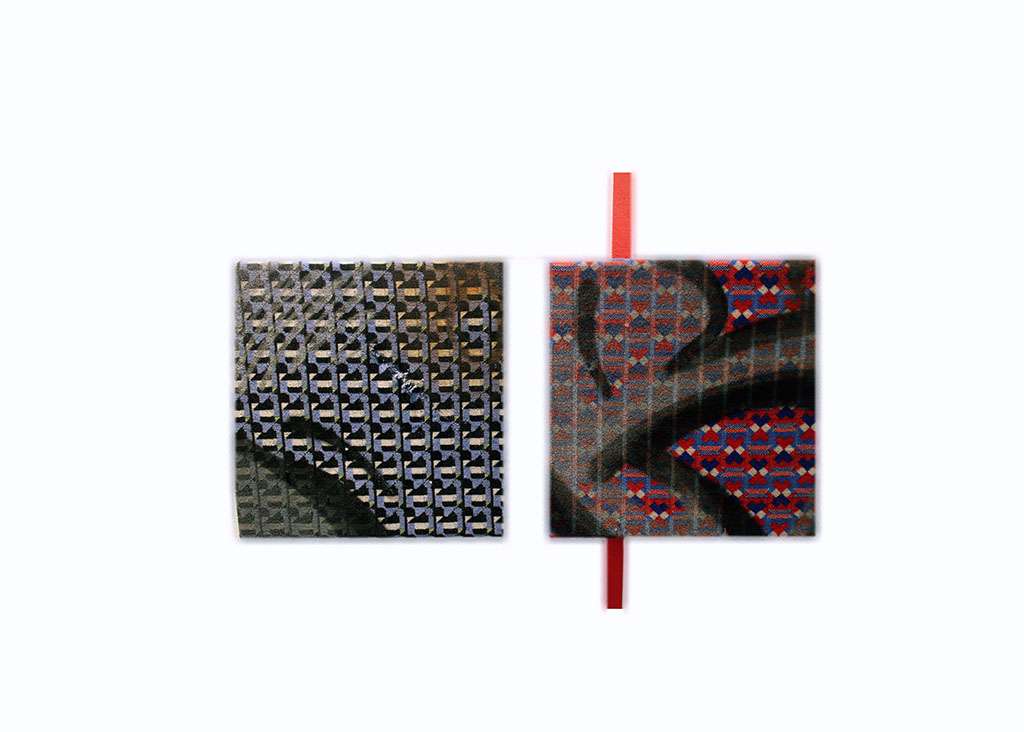
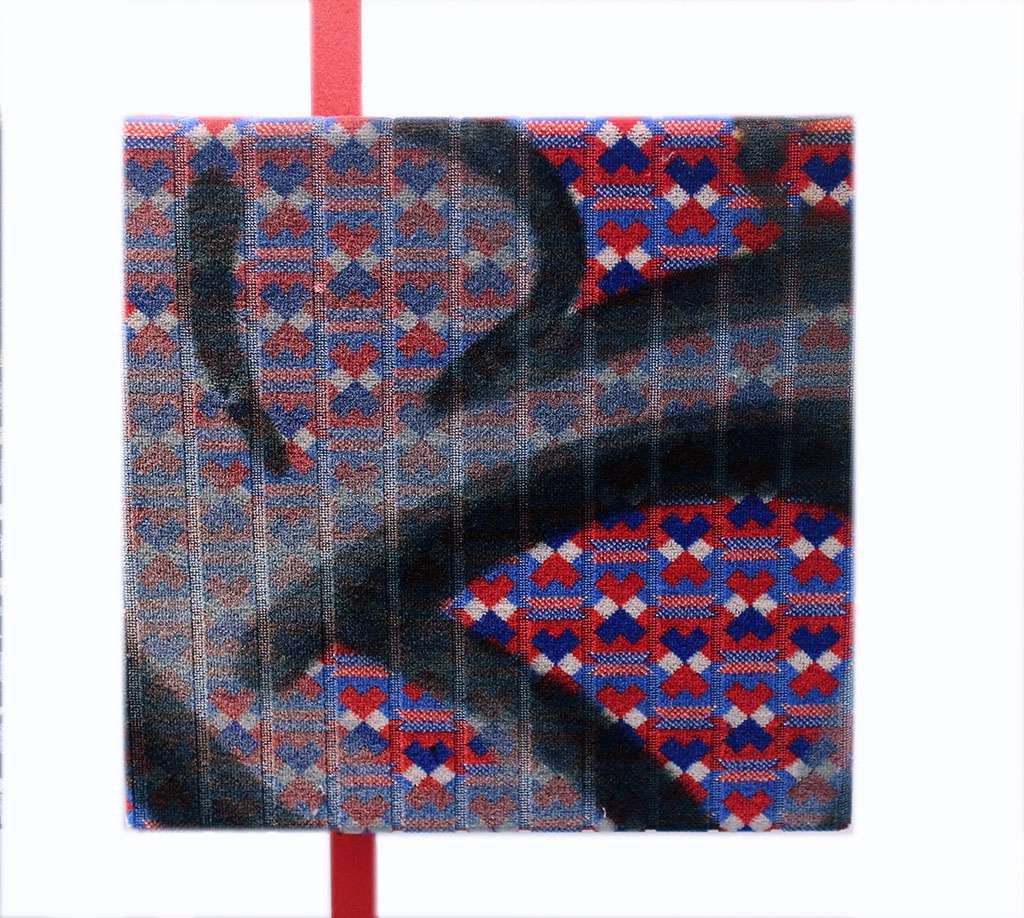
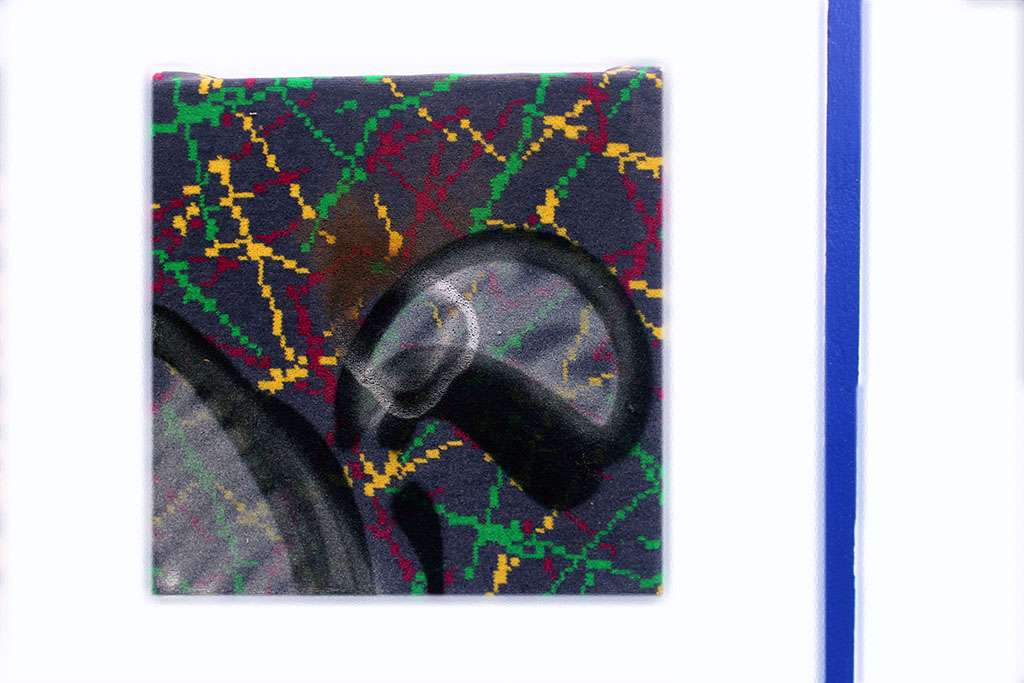
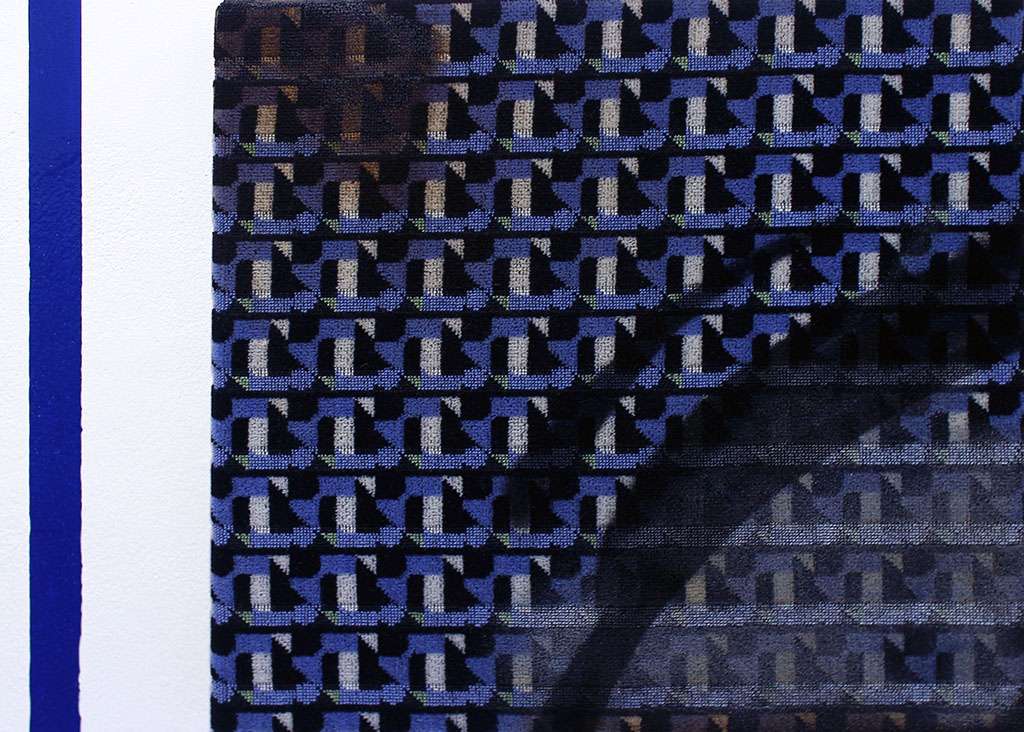
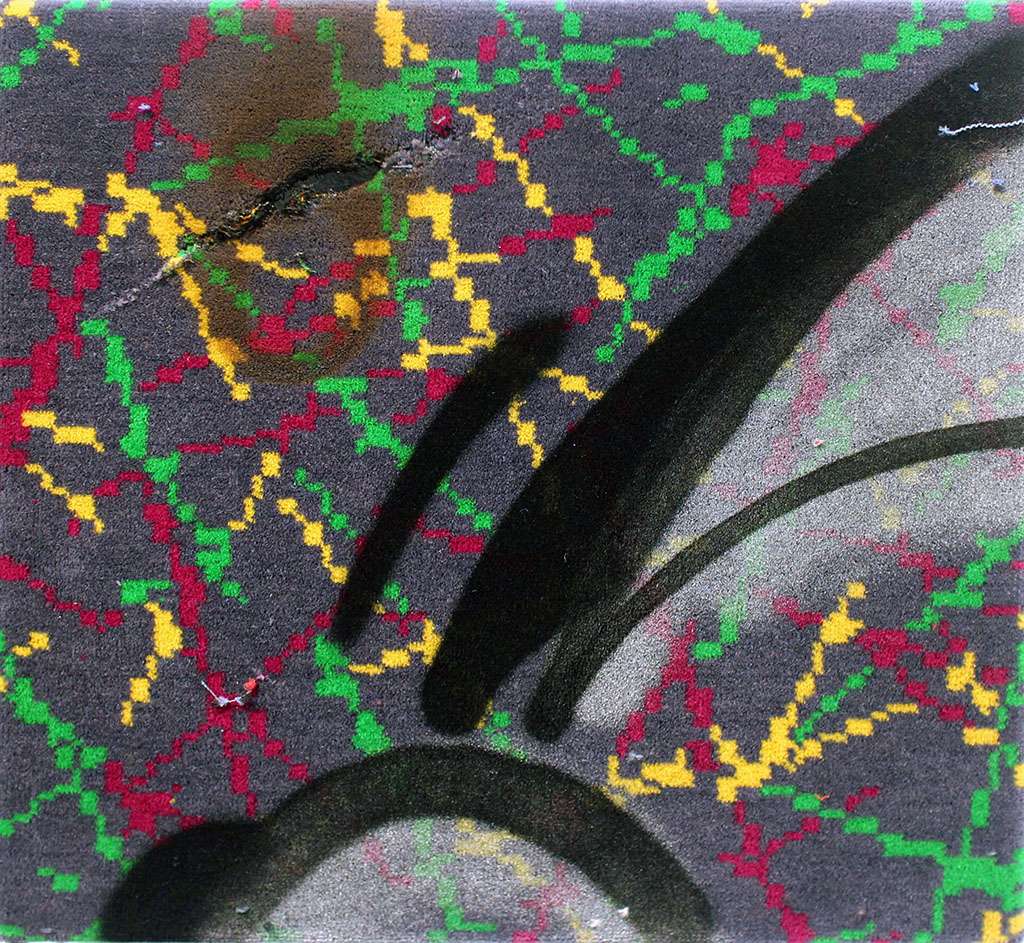
Among the highlights is the textile series See it, Say it, Sorted, which reframes the familiar public safety slogan as a mechanism of control, revealing how such messaging can define acceptable behaviour while excluding those outside its scope.
The works, priced in reference to a TfL penalty charge, further underscore the exhibition’s critique of authority and compliance.
The underground emerges as both subject and setting, where subway train painting is elevated to a defining act of subversion, an unapologetic reclaiming of public space. From this environment, the notion of the alter ego takes shape.
Throughout the exhibition, the collective confronts the reach of the panoptic state with acts of defiance, positioning the subterranean network as a vital arena in the ongoing tension between surveillance and autonomy.