During our visit to PACE Gallery, we came across Haruspex, the first UK solo exhibition by Kraków-based artist Krzysztof Grzybacz.
MY PROCESS
Bringing together eight new paintings, the exhibition offers an intimate introduction to an artist interested in the relationship between the body, memory, nature and the physical world around us.
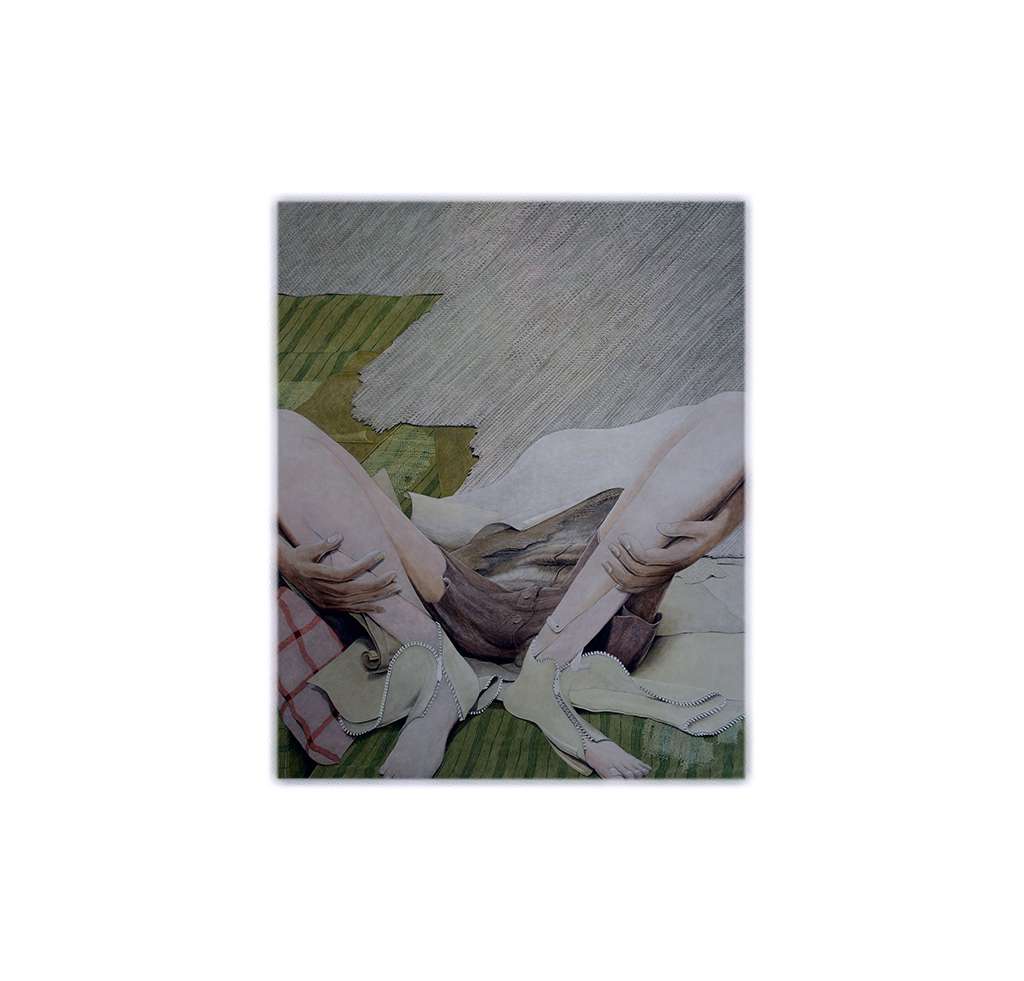
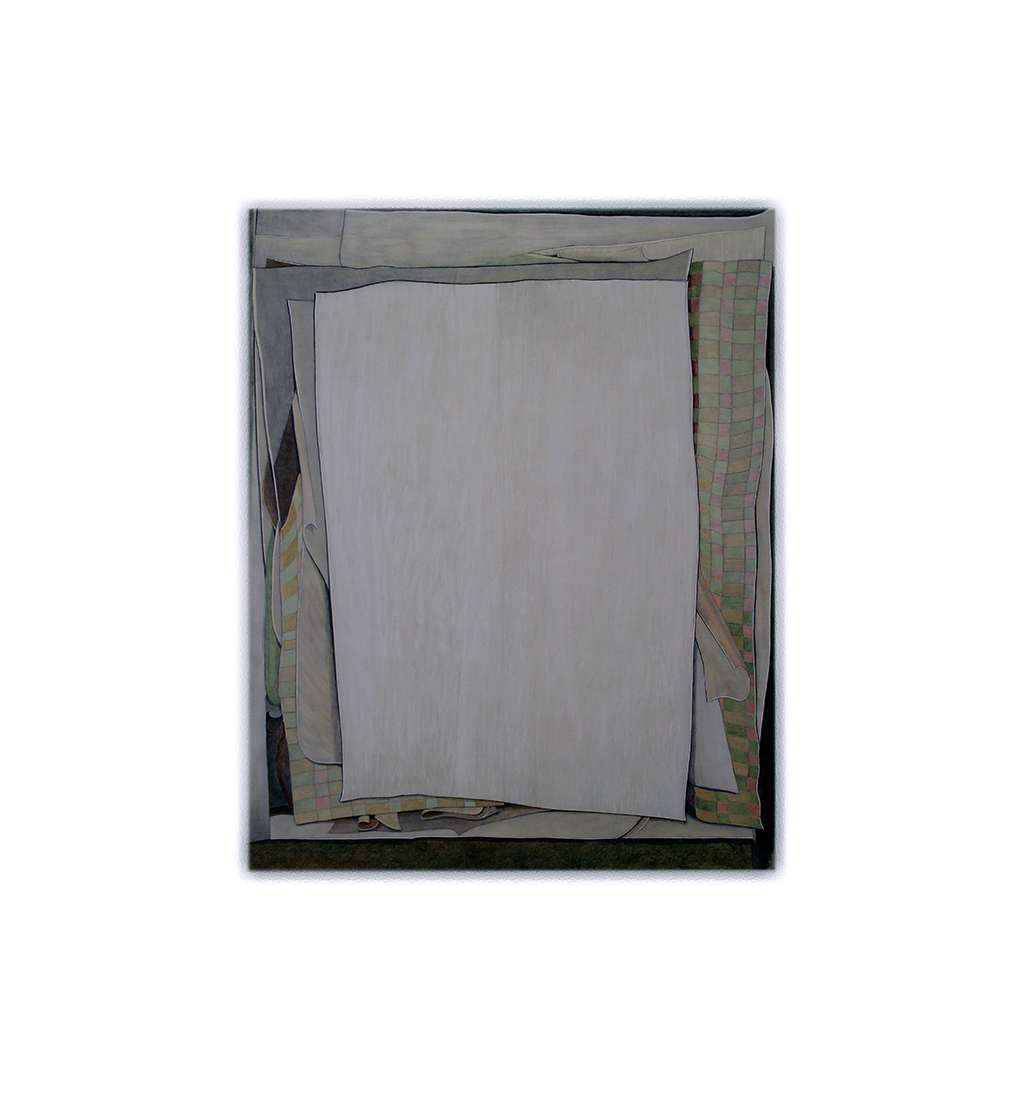
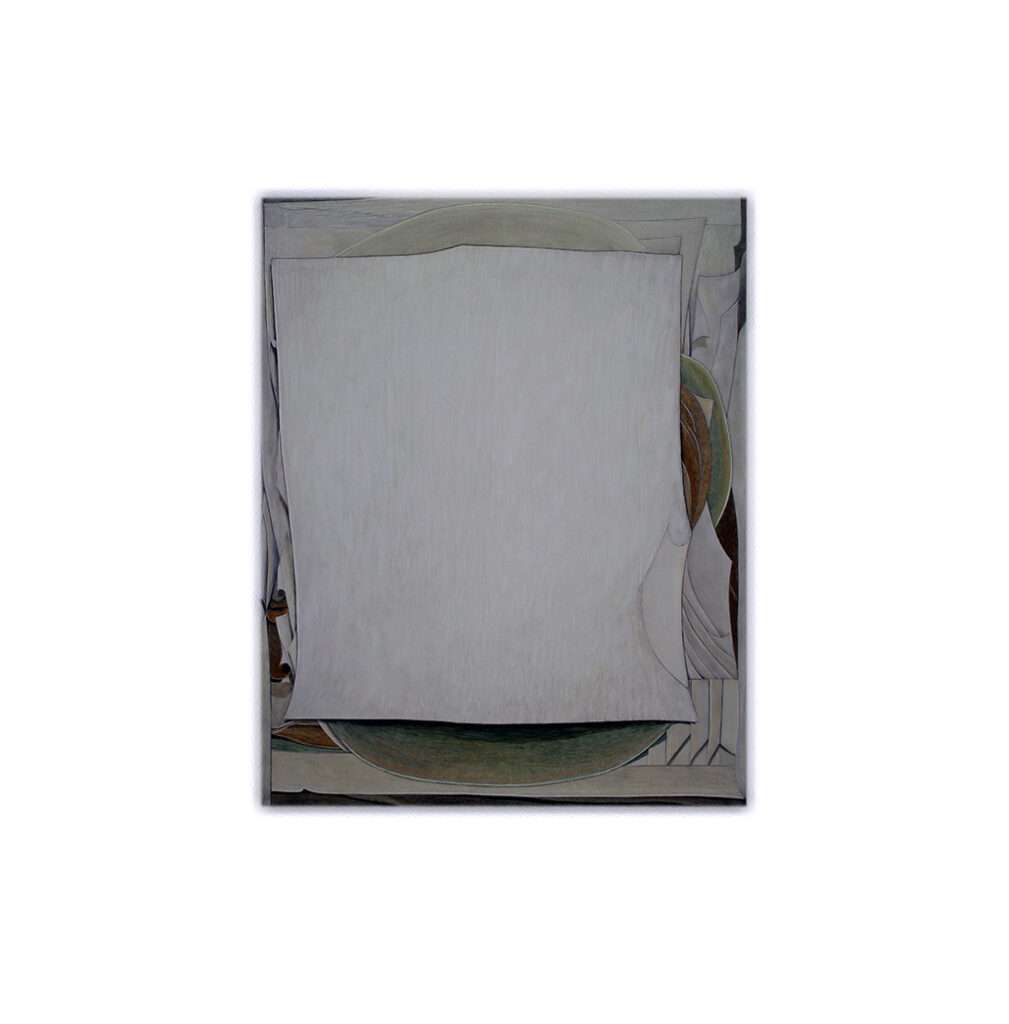
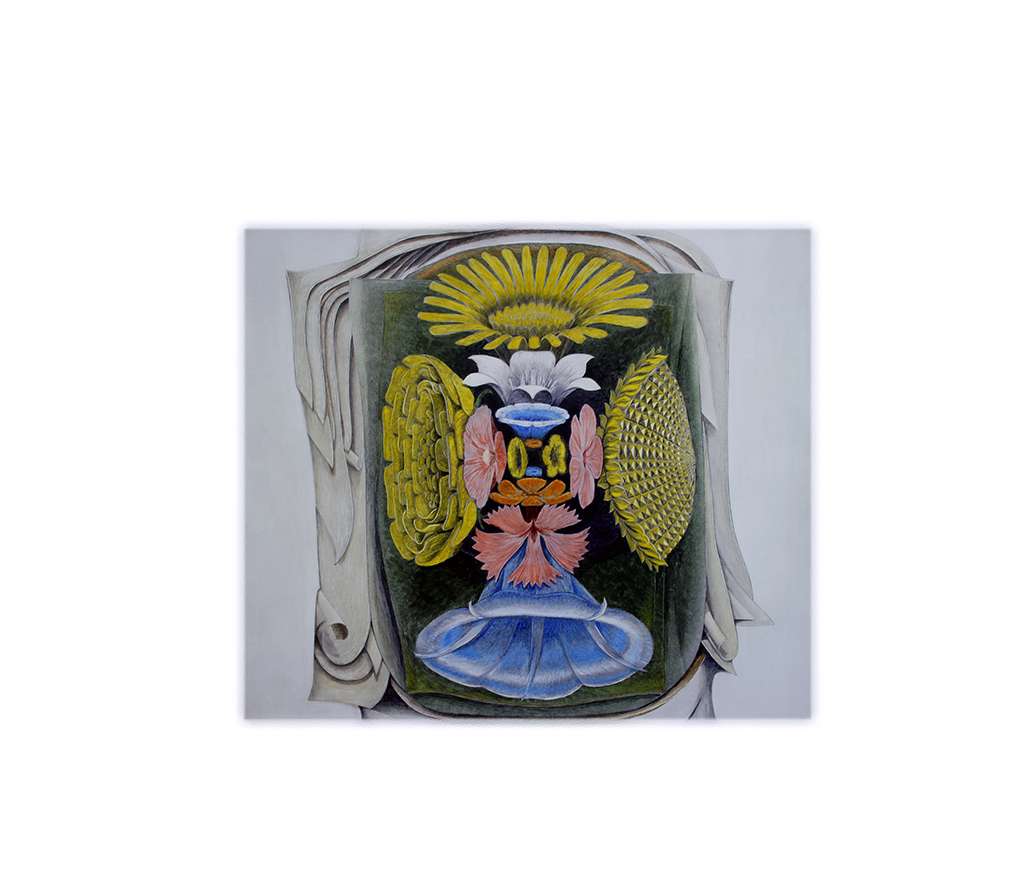
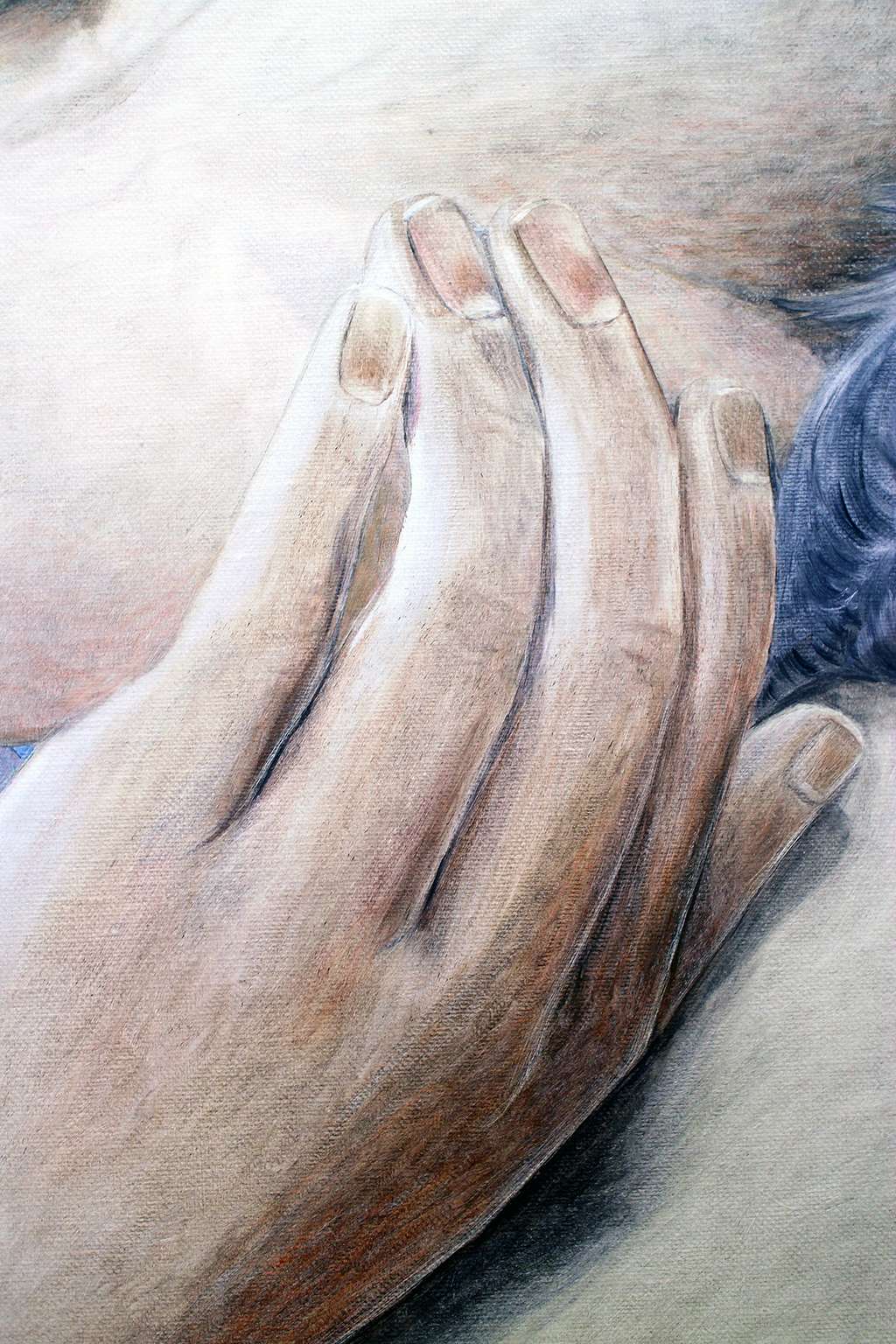
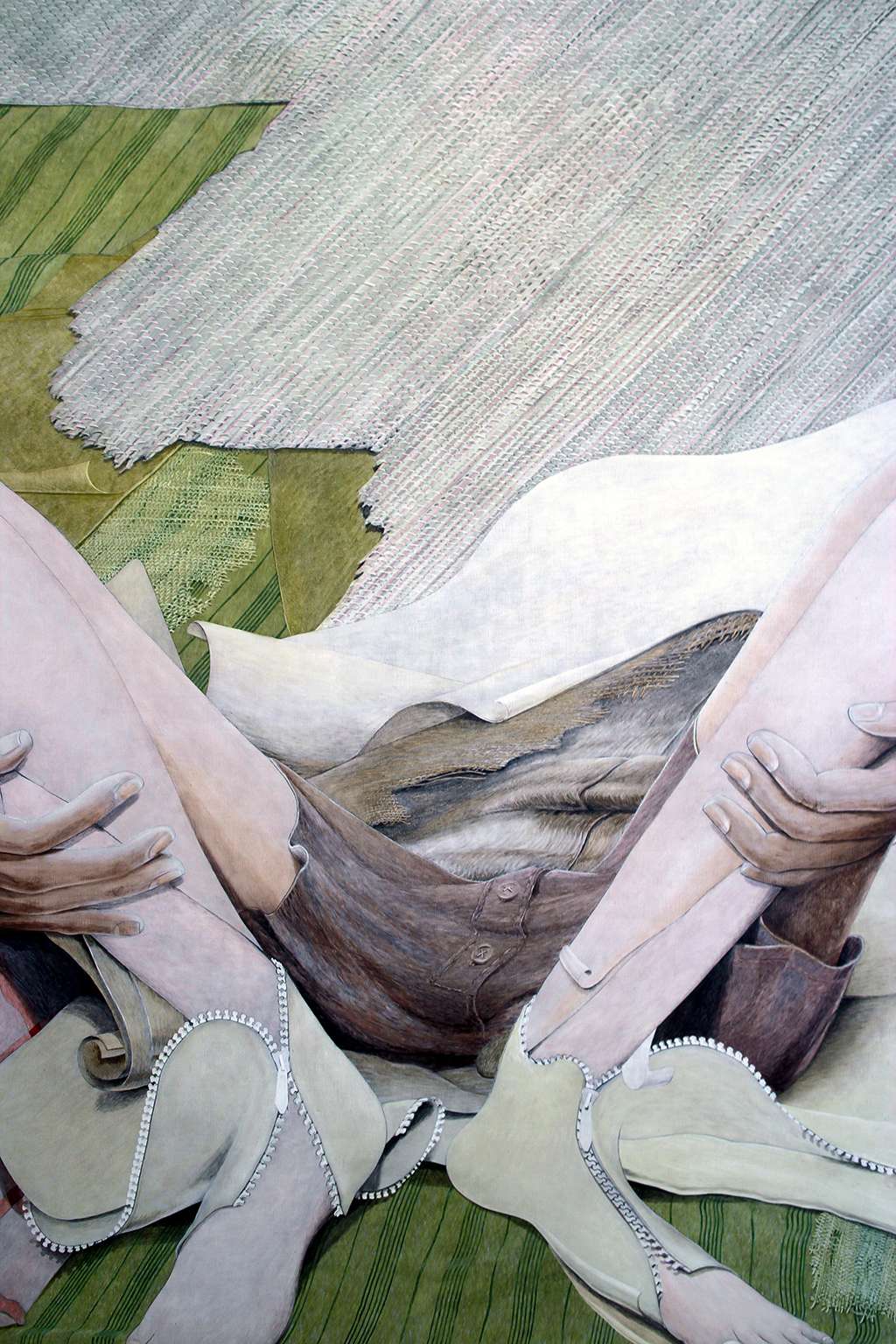
The body sits at the centre of Grzybacz’s new work, but it is never presented as something fixed or complete. Instead, it feels as though it is constantly shifting and changing, carrying layers of memories and traces from the past. Across the paintings, skin, fabric, landscapes and abstract forms begin to blend into one another. The surfaces feel both physical and psychological, giving the impression that there is always something beneath what we can immediately see.
This idea connects closely to the title Haruspex. A haruspex was an ancient Etruscan religious figure who examined the internal organs of sacrificed animals in an attempt to read signs and understand what might lie beyond the visible. Grzybacz uses the word as a metaphor for painting itself, a process of looking beneath the surface, pulling things apart and trying to make sense of what is hidden.
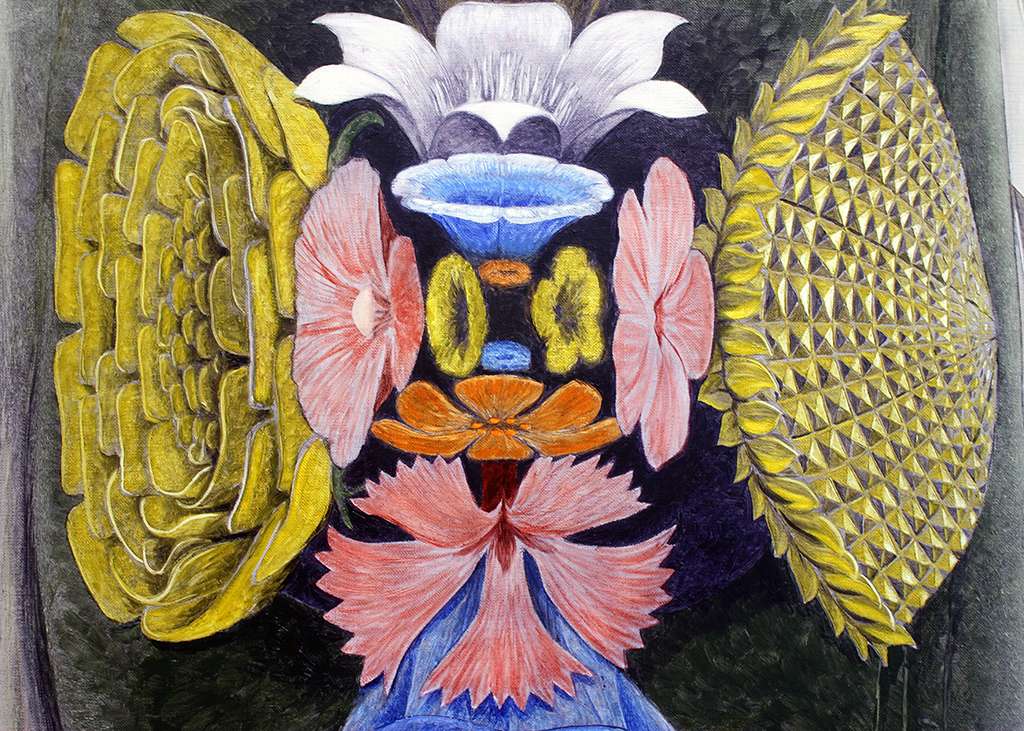
There is an instinctive quality to the way these paintings are made. Grzybacz starts with sketches, fragments of ideas and subconscious associations, allowing the paintings to develop organically. Although each work feels like its own world, they share a similar visual language. Working mainly in oil on canvas, he builds up layers of paint before washing, scraping and removing parts of them, allowing the white of the canvas to reappear. Colour therefore feels less like something simply applied to the surface and more like something that has been uncovered.
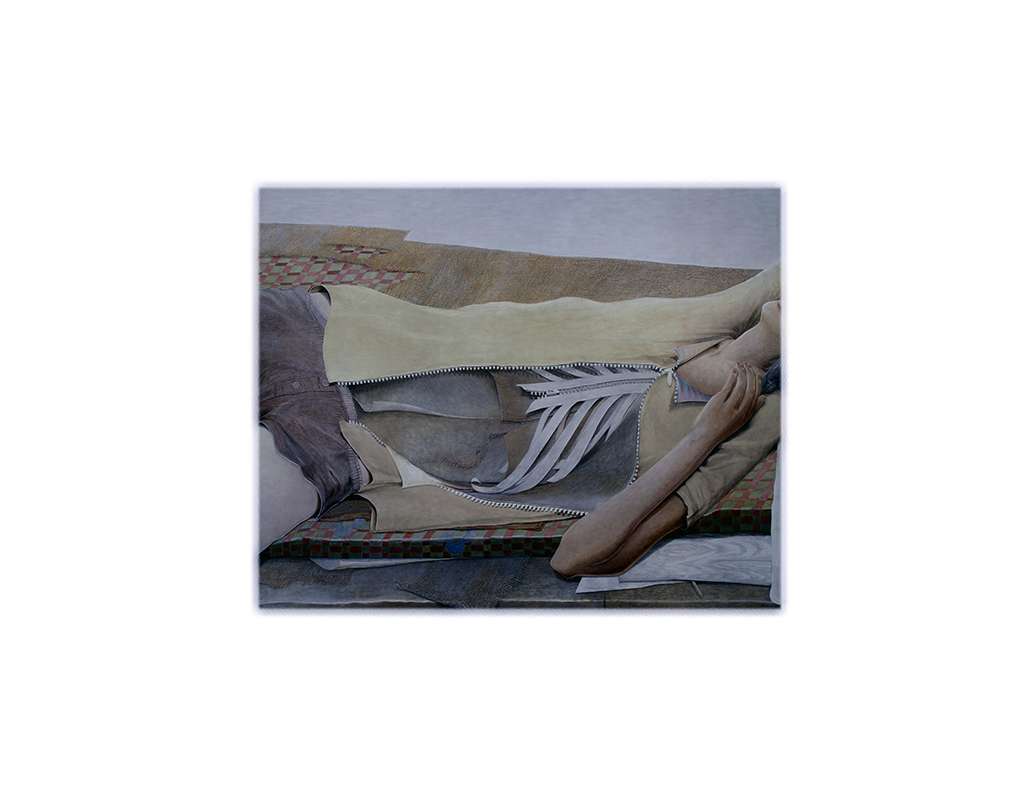
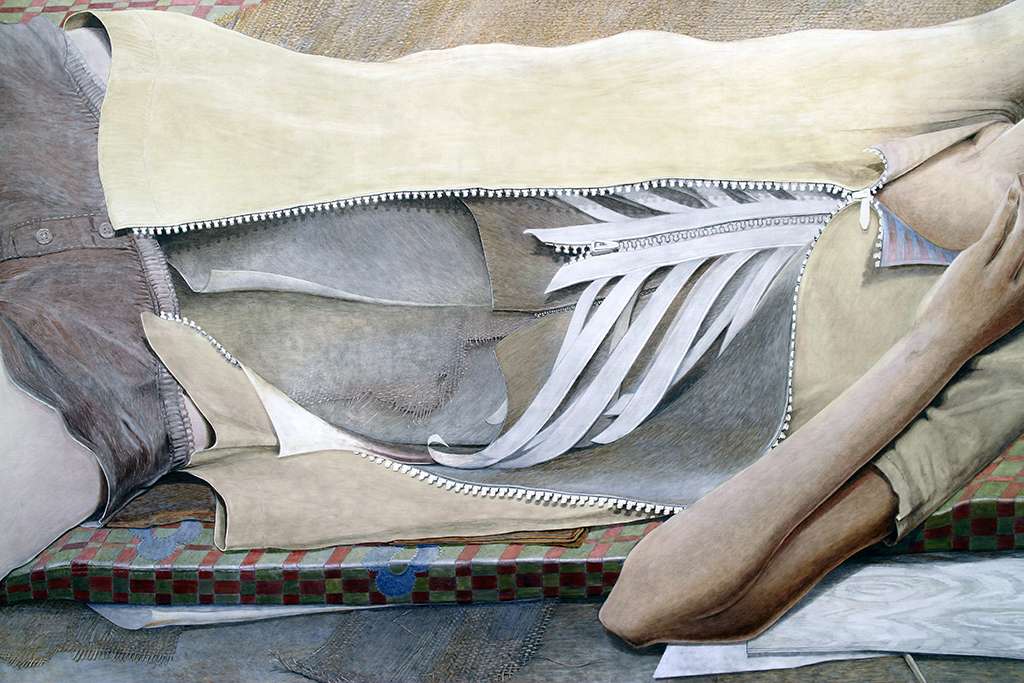
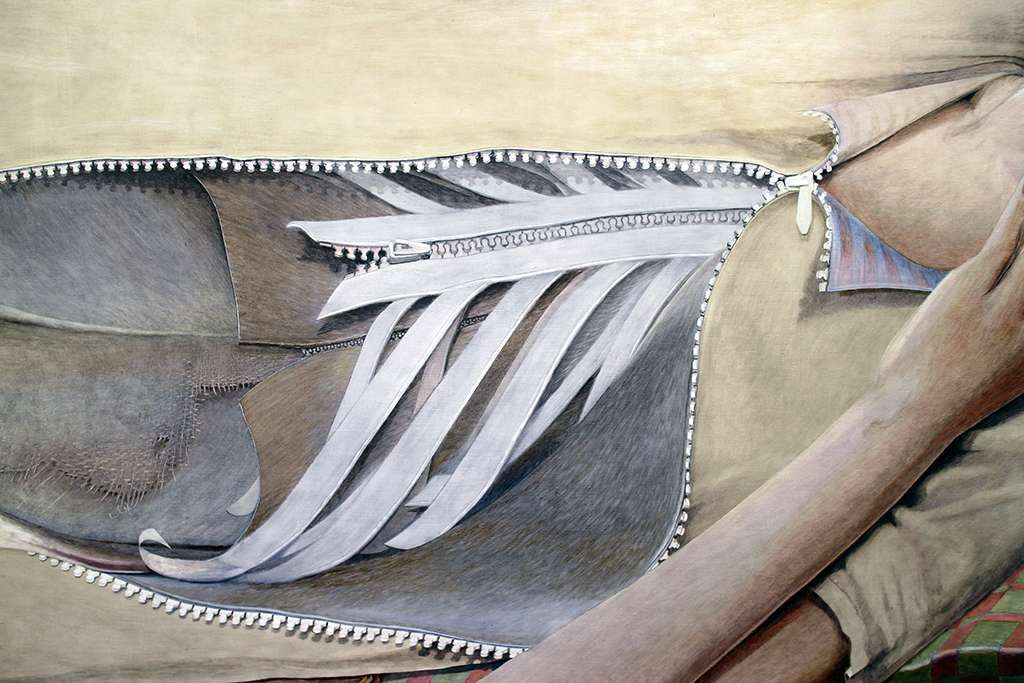
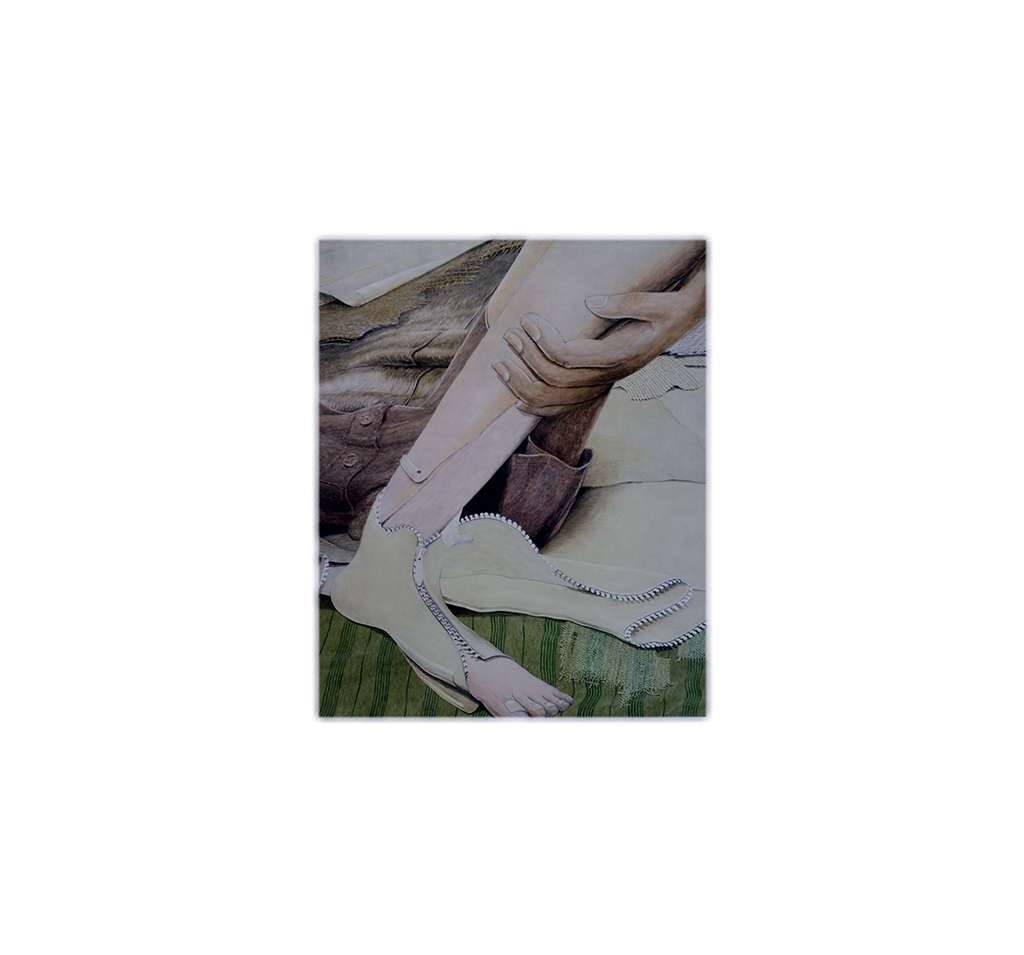
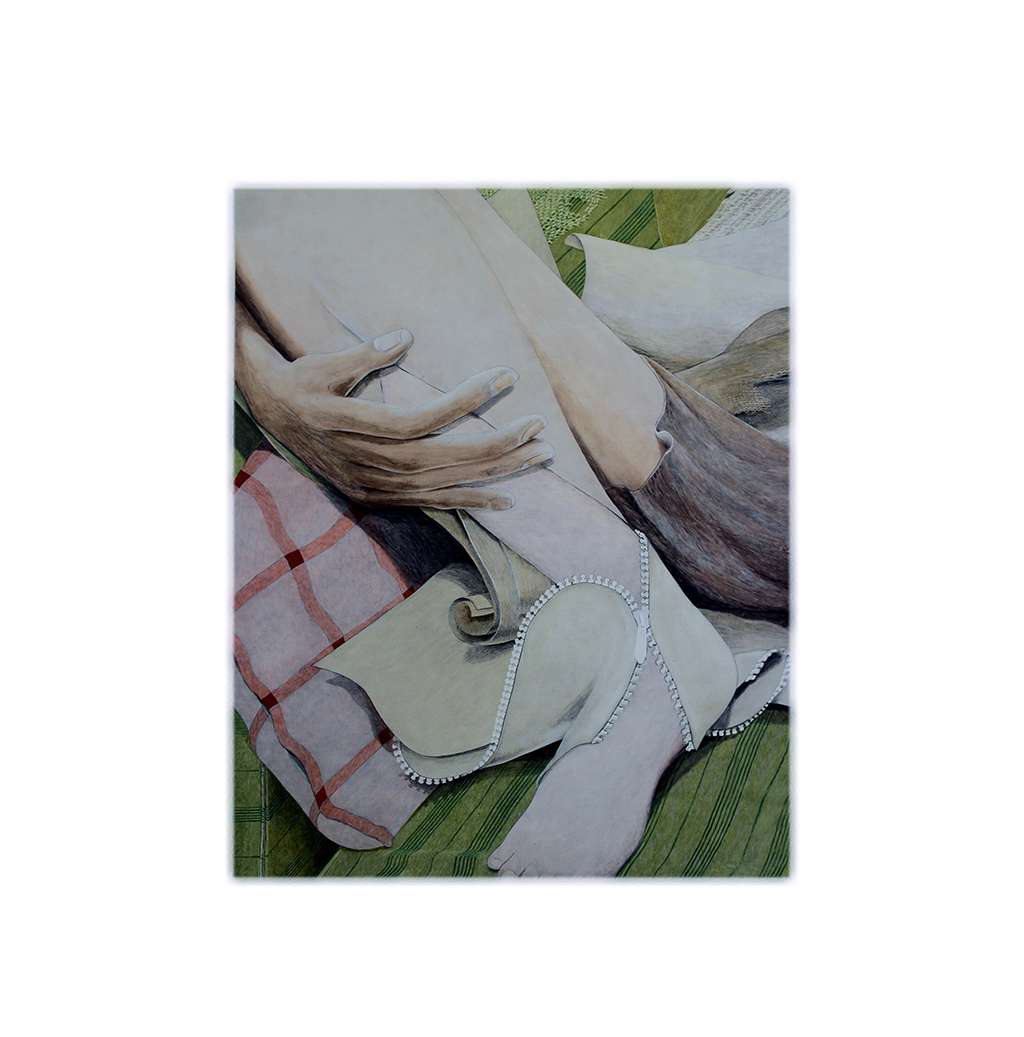
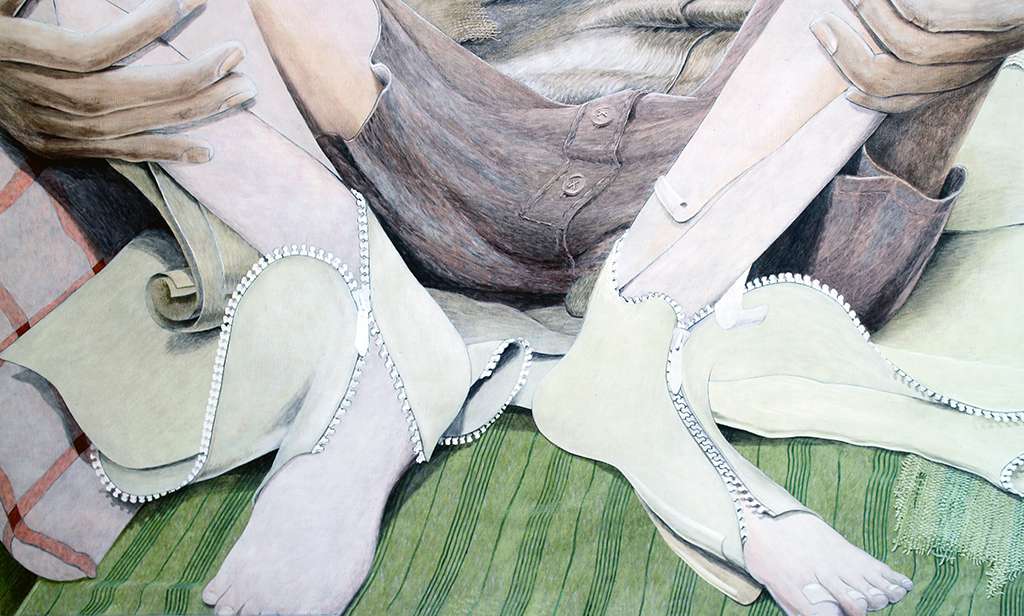
One of the strongest examples is Haruspicy (2026), the largest painting Grzybacz has created on a single surface so far, stretching more than four metres across. Here, it becomes difficult to tell where the body ends and fabric begins. Zips, folds and openings suggest both skin and clothing, while earthy beige and brown tones give the painting an almost tactile, bodily quality. The patterns hint at textiles, but they never quite settle into anything recognisable.
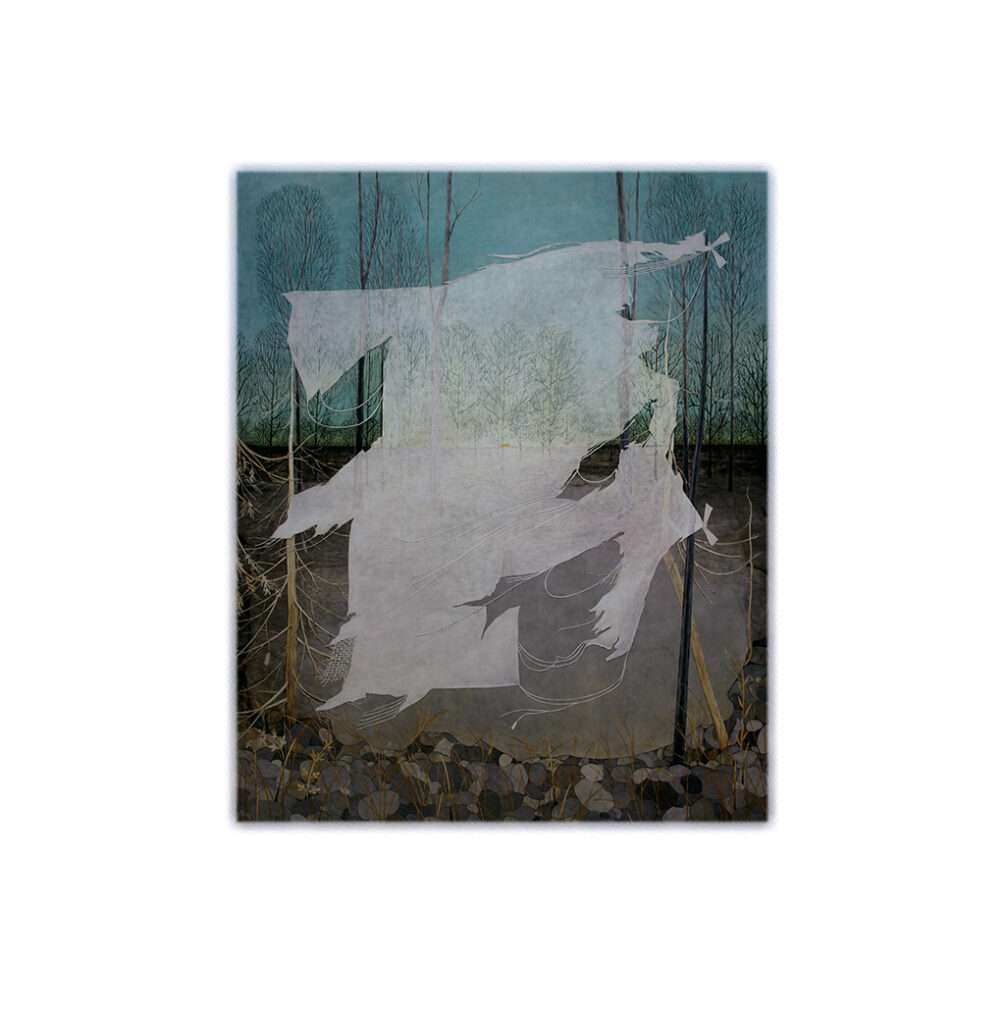
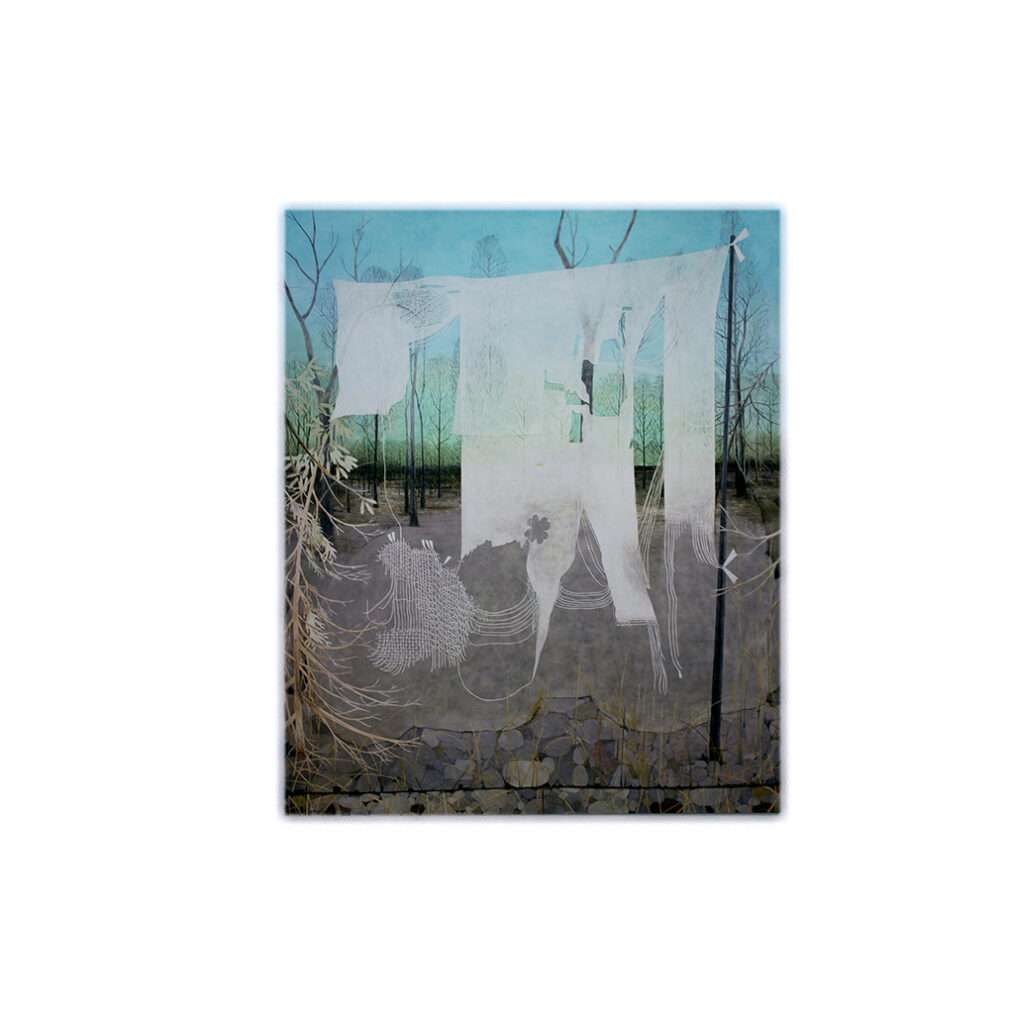
Elsewhere, the mood shifts completely. Sparse purple landscapes open up into strange, dreamlike spaces, with pale fragments hanging from flagpoles like damaged or fading flags. These quieter moments add another layer to the exhibition, making the paintings feel less like depictions of specific things and more like fragments from somewhere half-remembered.
For 4me4you, Haruspex offers an interesting glimpse into how Grzybacz’s practice is evolving. Elements that have appeared in his earlier work — everyday objects, unusual bodily forms and botanical references, are still there, but they feel increasingly fragmented and open to interpretation. Nothing remains completely fixed. Bodies become landscapes, fabric starts to resemble skin, and colour takes on both physical and emotional meaning.
Walking through Haruspex, it feels as though Grzybacz is less interested in simply showing us what something looks like and more interested in what remains after we have experienced it: traces, textures, memories and fragments. His paintings ask us to look beneath the surface, while also reminding us that the surface itself is never straightforward. It is layered, physical and constantly changing.