4me4you visits Alice Amati Gallery to Experience Abigail Dudley’s - A Place After a Place.
MY PROCESS
The show takes its title from Gerald Murnane’s short story First Love, in which he writes:
“In all the world there has never been, there is not, and there will never be any such thing as time. There is only place. What people call time is only place after place. Eternity is here already, and it has no mystery about it; eternity is just another name for this endless scenery where we wander from one place to another.”
‘A Place After a Place’..
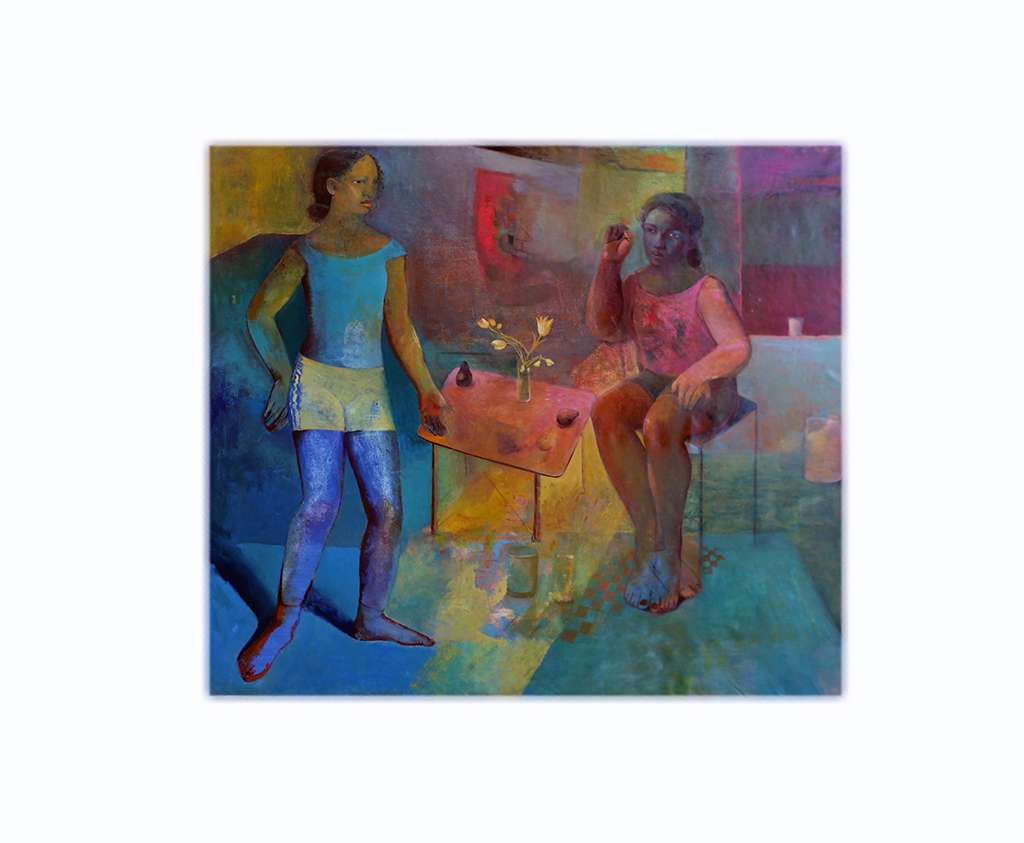
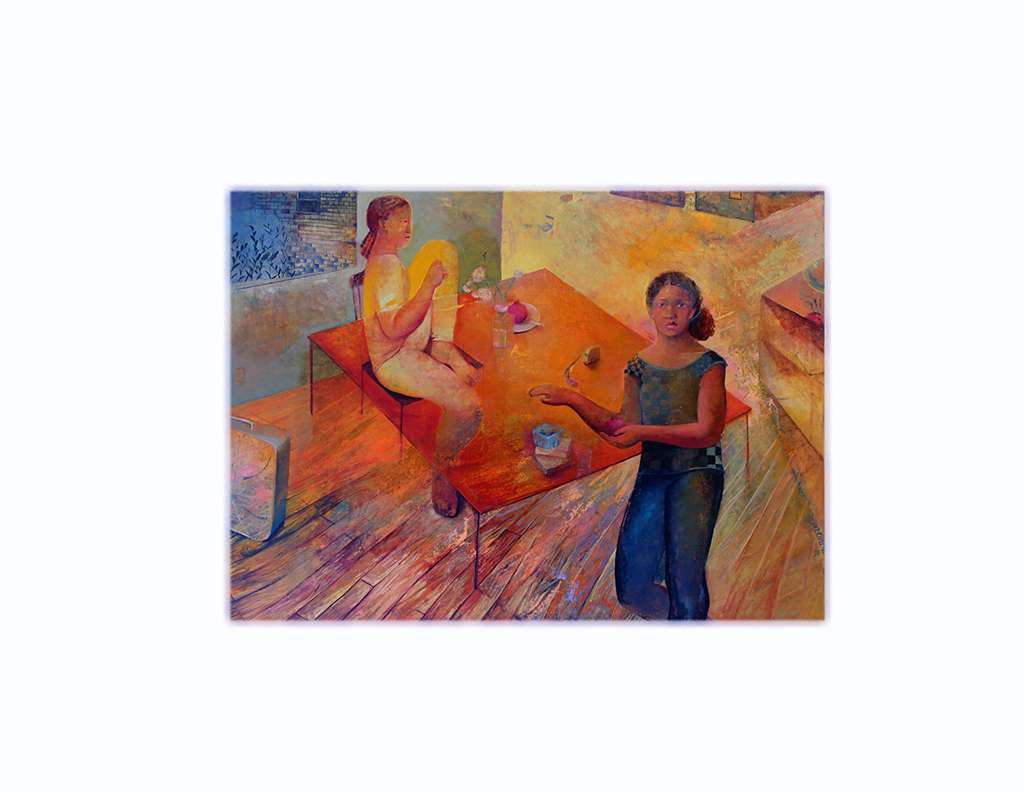
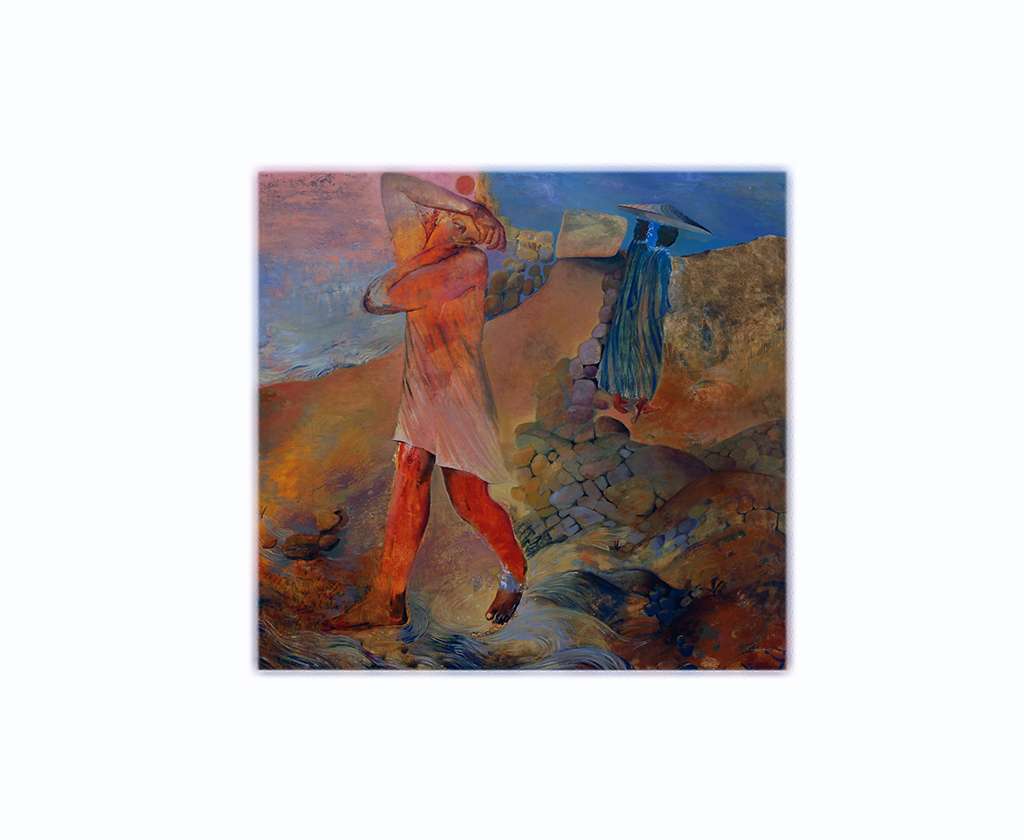
Murnane’s words suggest a quietly radical idea: time, as we usually think of it, isn’t a linear, invisible force. Instead, it’s the effect of moving through space. Dudley’s paintings reflect this philosophy beautifully, inviting viewers to experience “a place after a place” as fleeting, richly textured moments rather than as ticks on a clock.
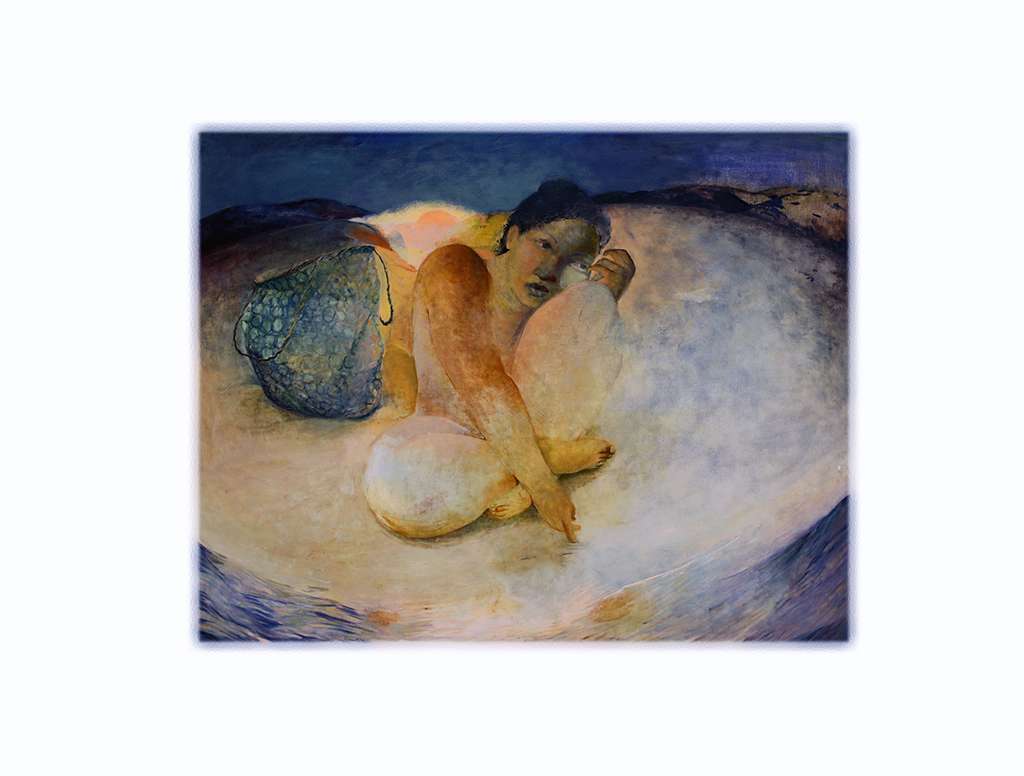
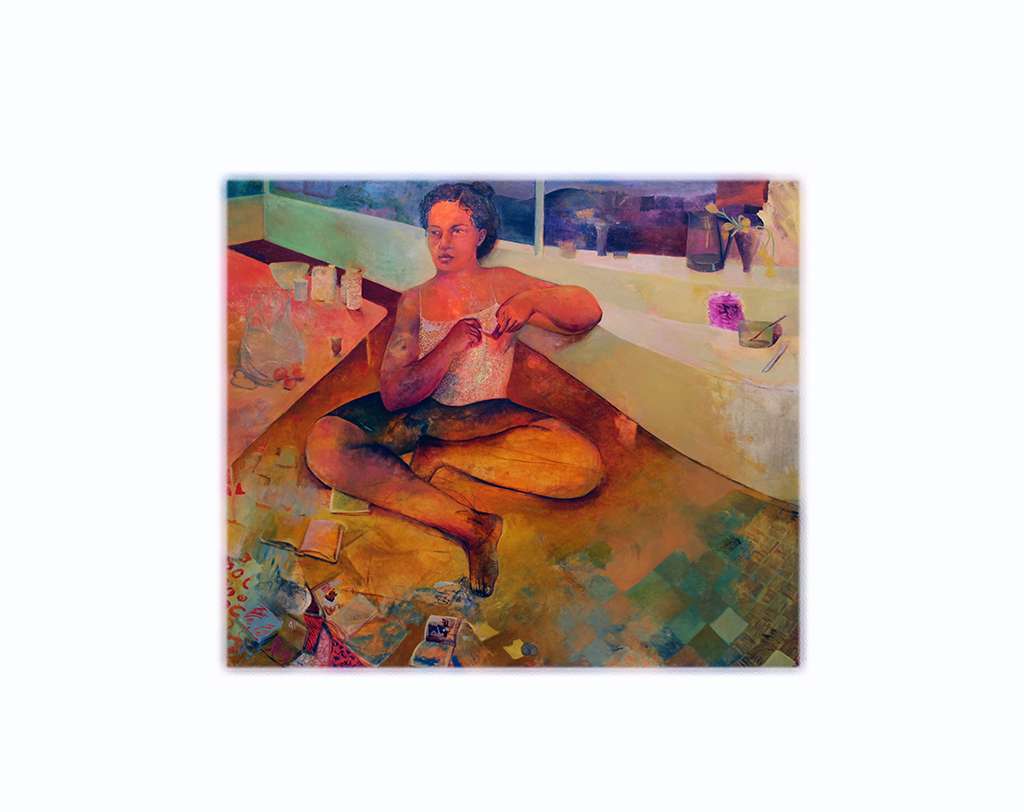
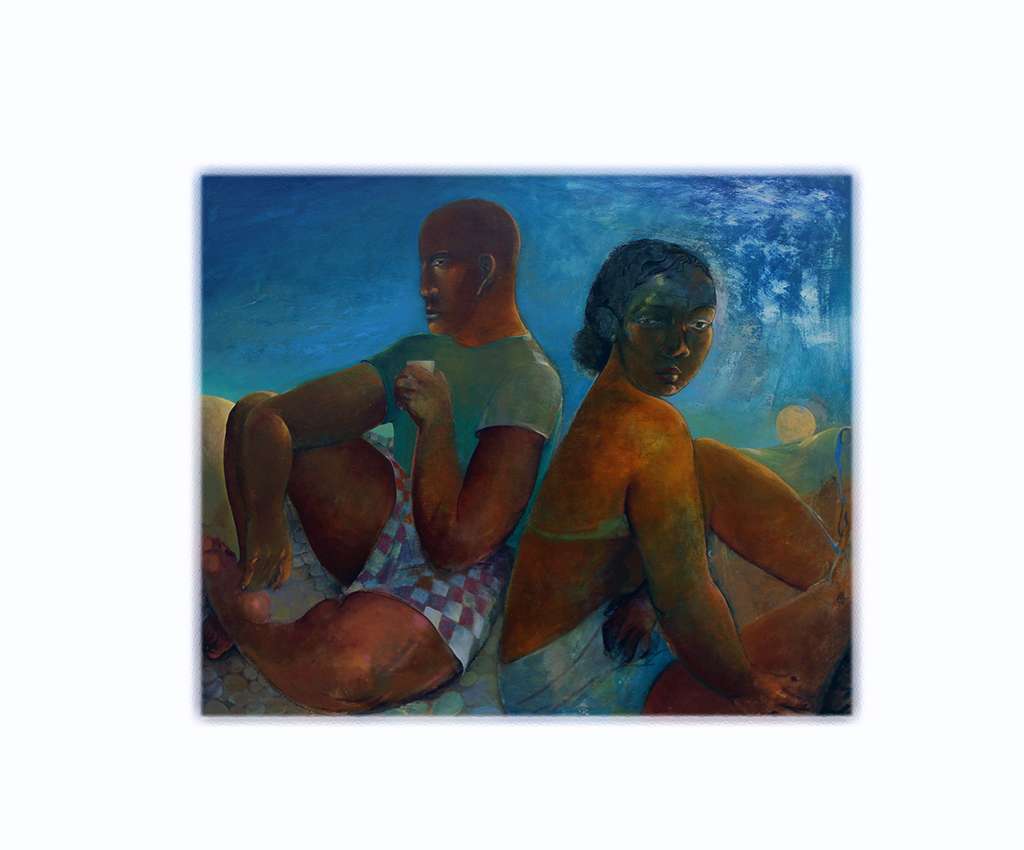
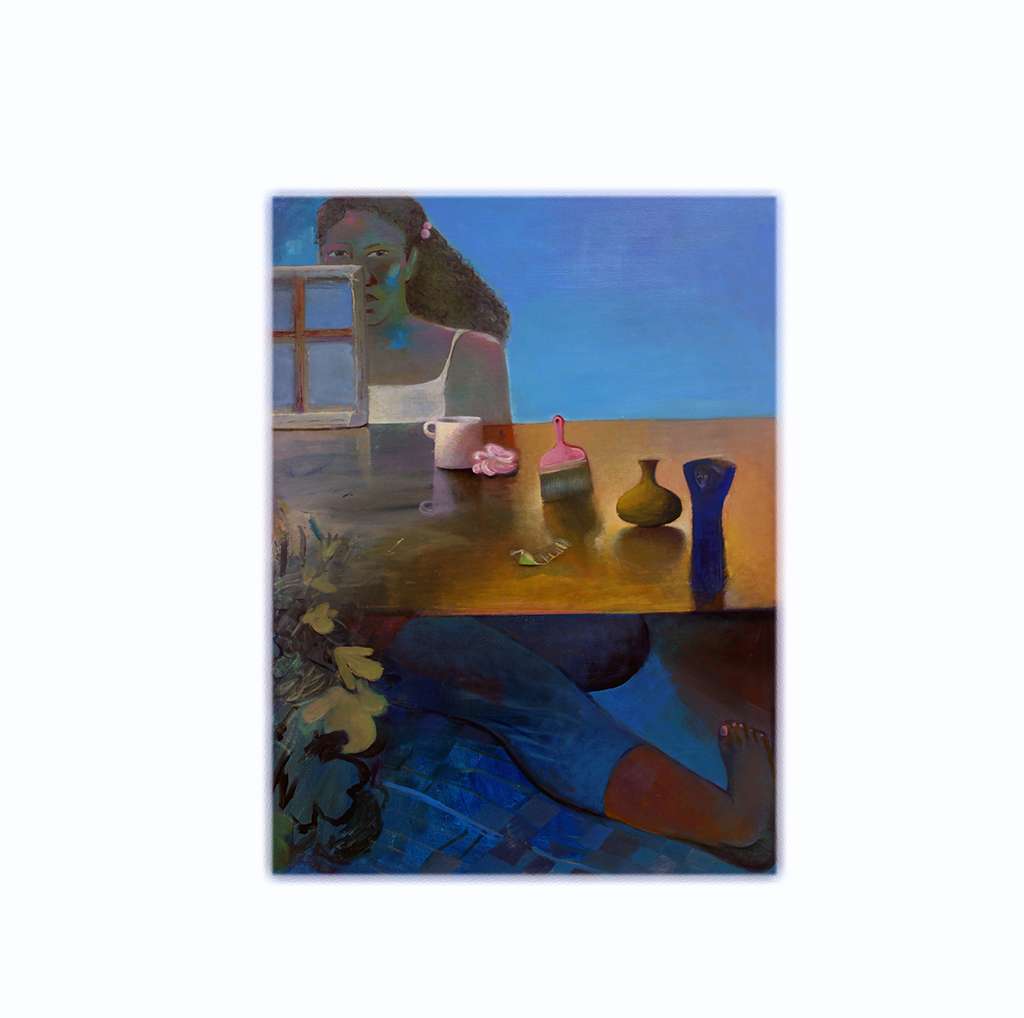
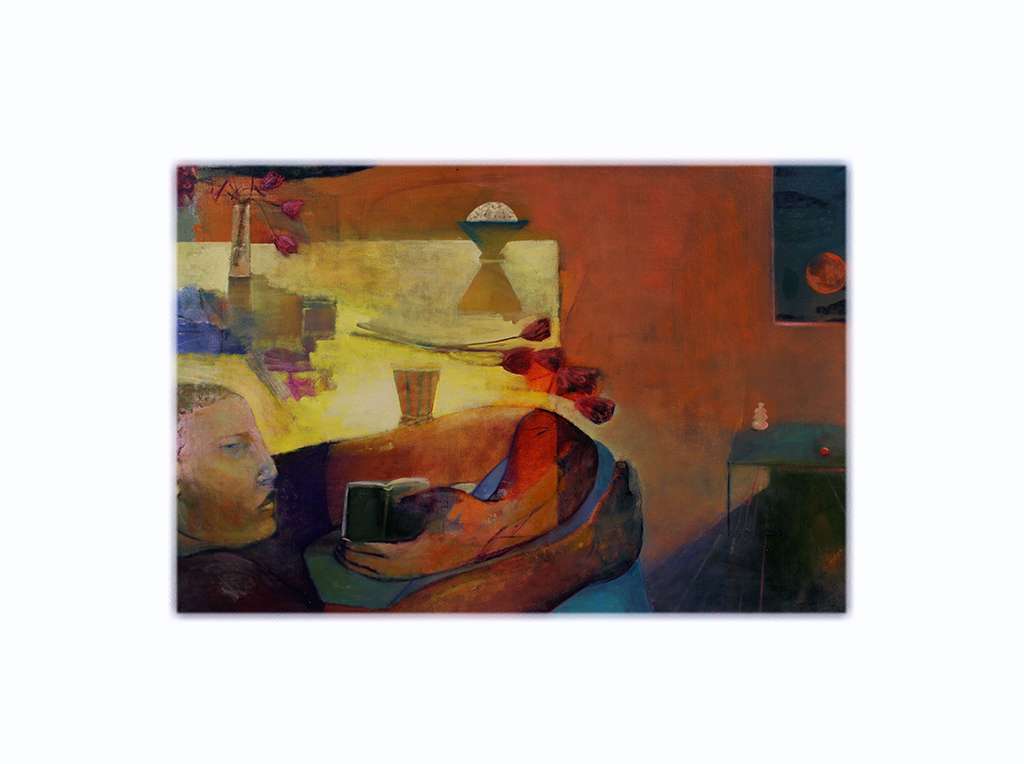
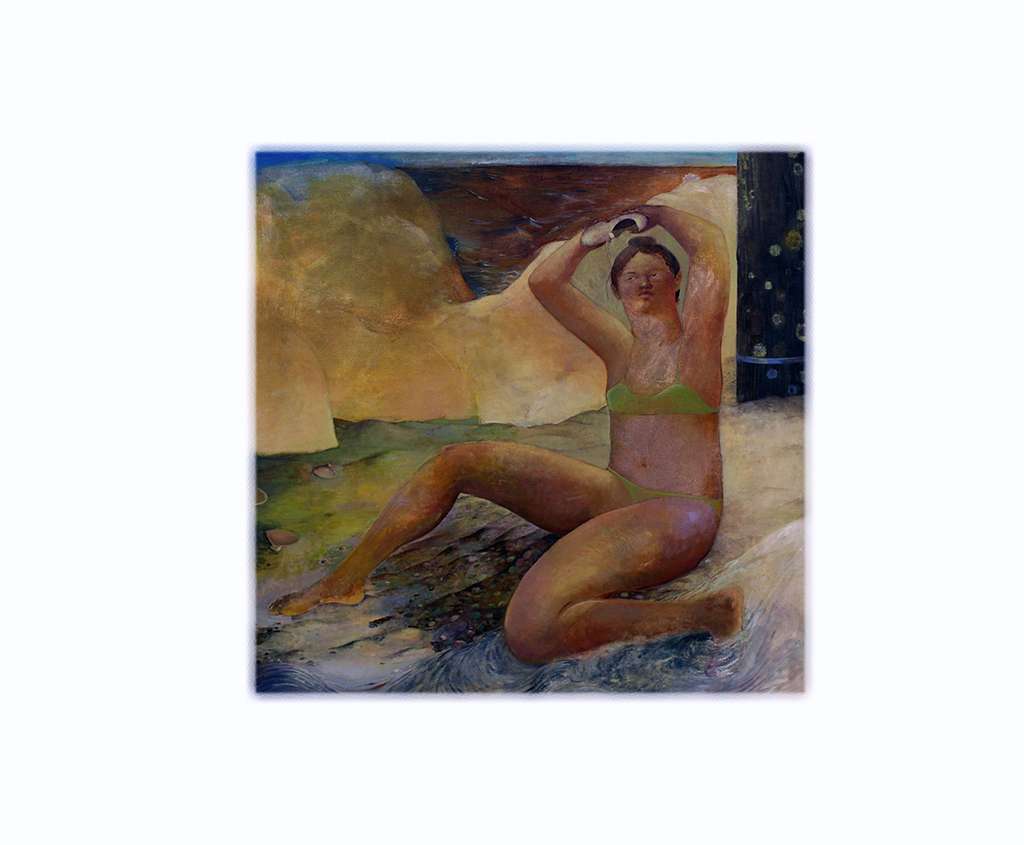
Her work often explores the intimate atmospheres of everyday life. At first glance, Dudley’s scenes feel quiet and unassuming: two figures sit back-to-back in companionable silence; a woman reads a small red book while snacking on clementines in her apartment; another brushes sand off a white shoe on a sunlit beach.
Each moment is self-contained yet suggestive of continuity, as though we’ve caught a glimpse just before or after something significant. These spaces, composed of fragments of ordinary life, stretch and compress time in ways that feel familiar: a lazy afternoon, a paused holiday, where life hangs in gentle suspension and we observe it with a soft, reflective distance.
As poet and critic John Yau notes, Dudley’s engagement with fantasy “has not calcified,” leaving each scene full of discovery. Her work recalls Balthus’ staged streetscapes or Piero della Francesca’s narrative frescoes, influences she references in pieces like Overcast.
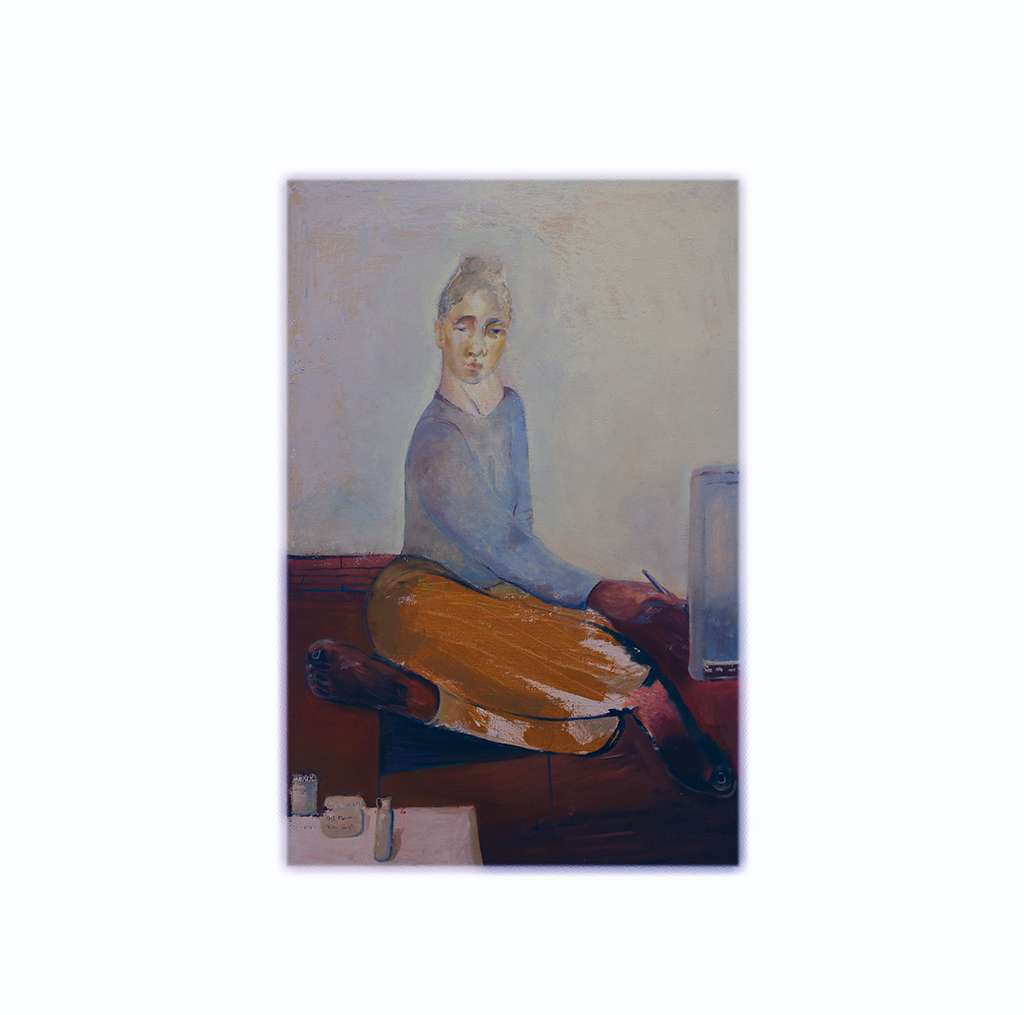
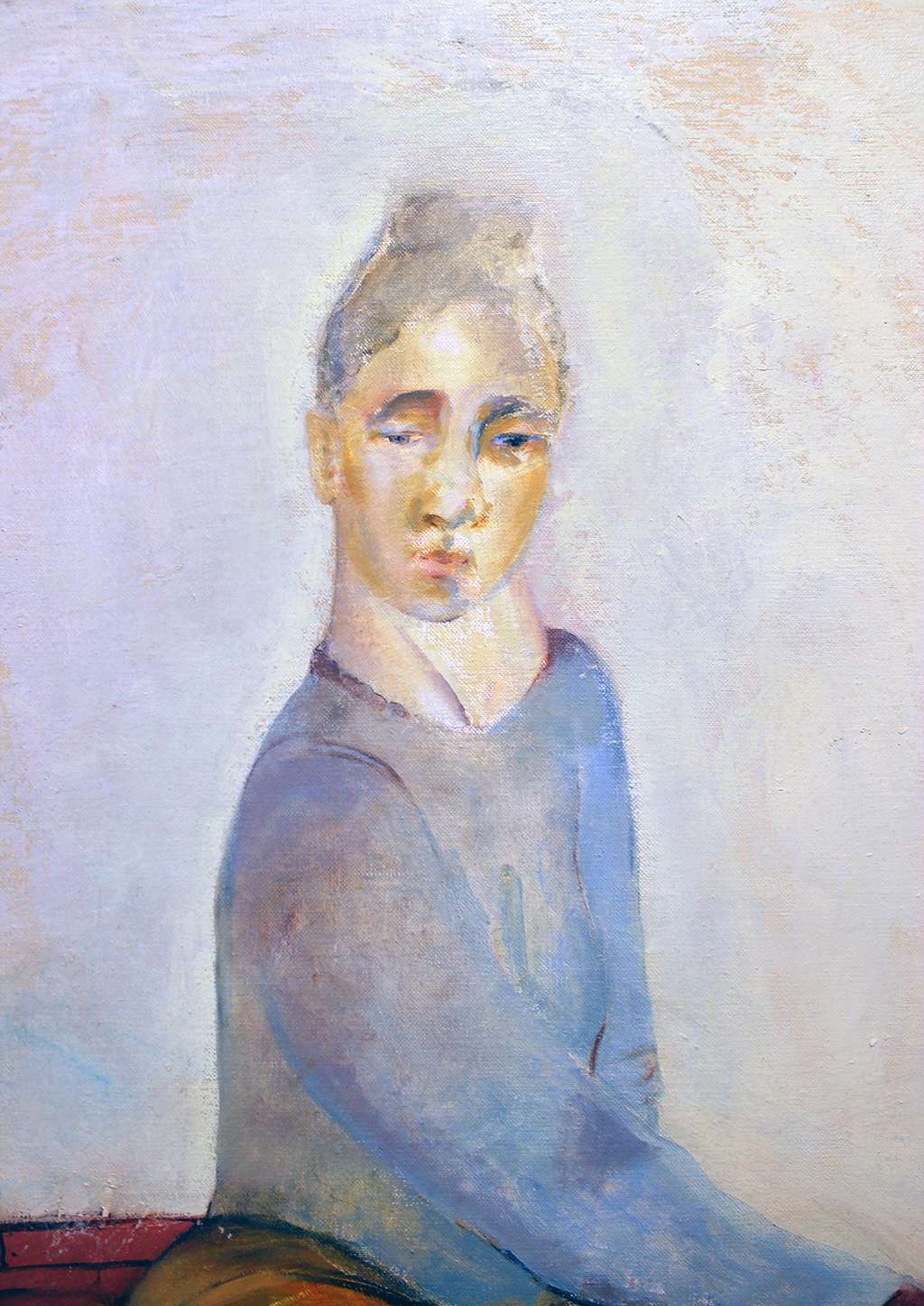
Dudley’s technique, oil paint over oil ground, sometimes with cold wax and subtle rag work, creates textures that hover between emergence and erasure. Each scene seems to appear out of nowhere and could dissolve back into the canvas at any moment.
Her figures are often caught in silent, dramatic monologues, inviting viewers close enough to see hints of a story, whether in a mirrored self-portrait, the contorted posture of Studio Break, or the delicate shimmer of a pearl, but never giving the full narrative away.
Dudley’s technique, oil paint over oil ground, sometimes with cold wax and subtle rag work, creates textures that hover between emergence and erasure. Each scene seems to appear out of nowhere and could dissolve back into the canvas at any moment.
In A Place After a Place, Dudley constructs a world where time recedes, and the lived, observed, and imagined moments of interiority take the spotlight.