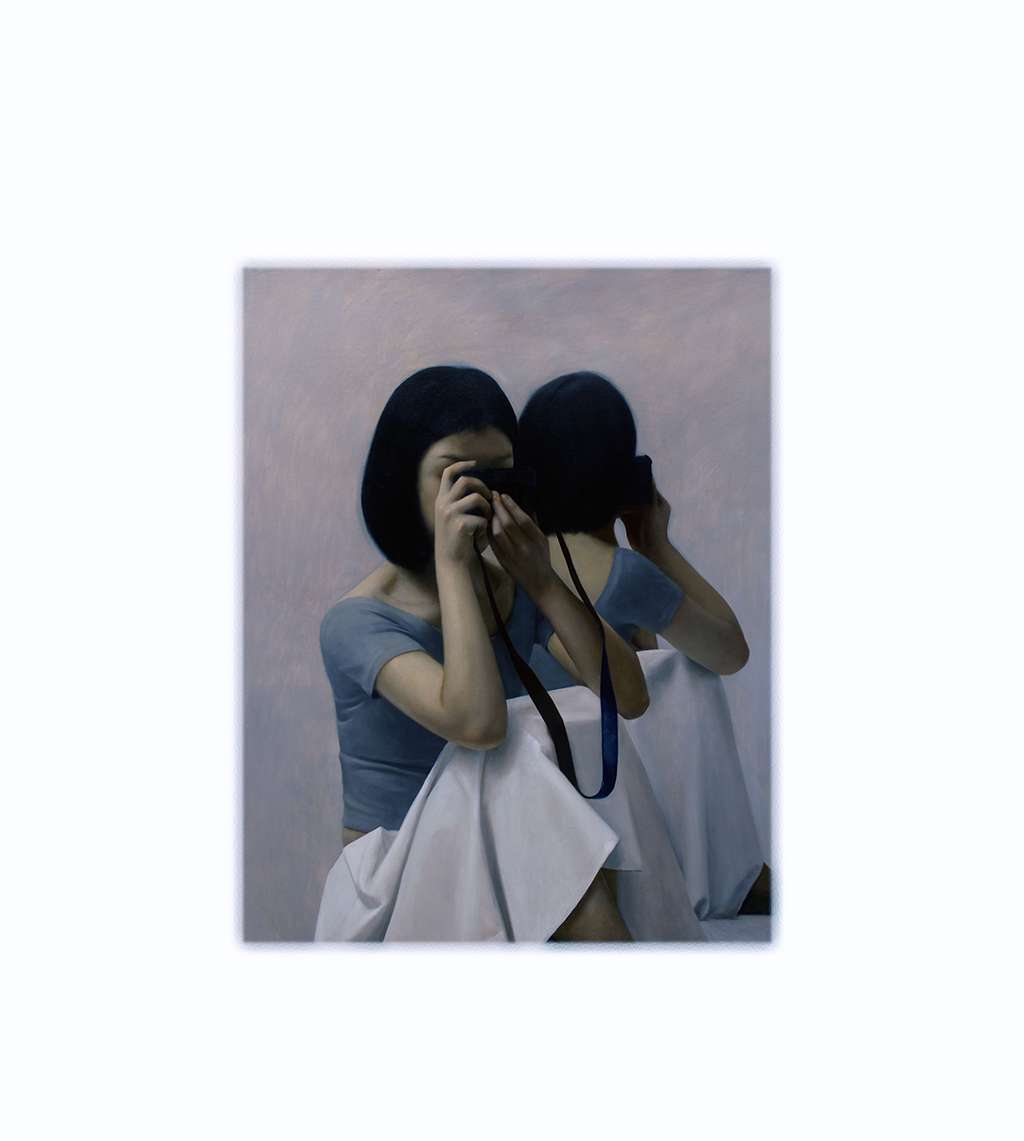
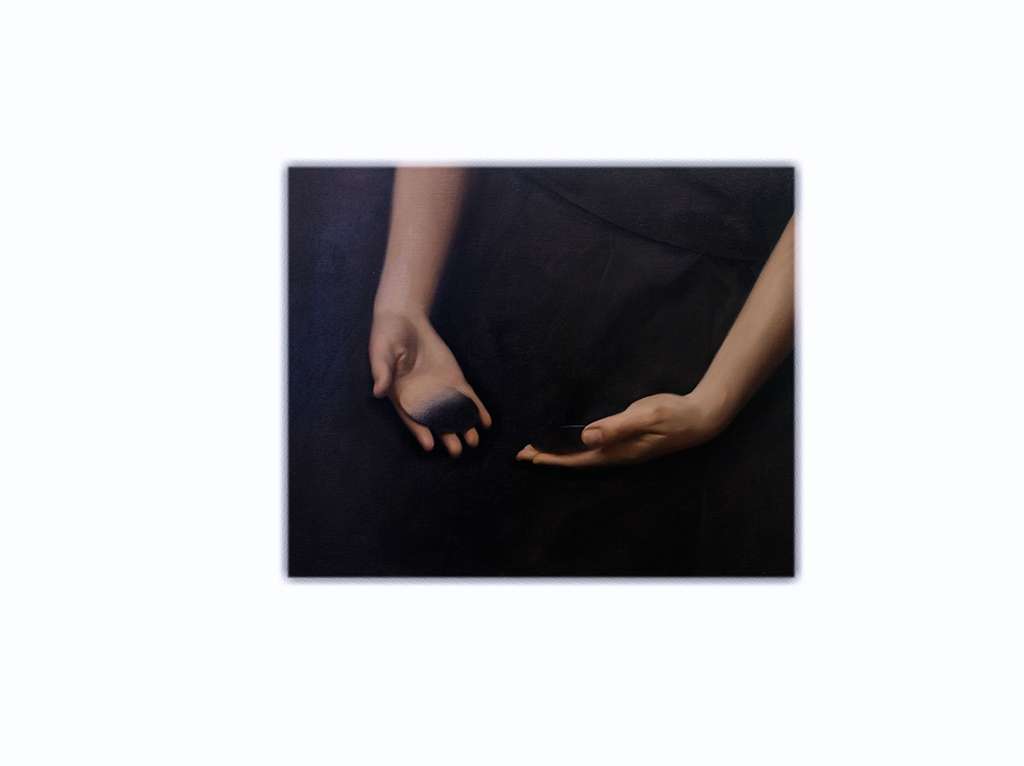
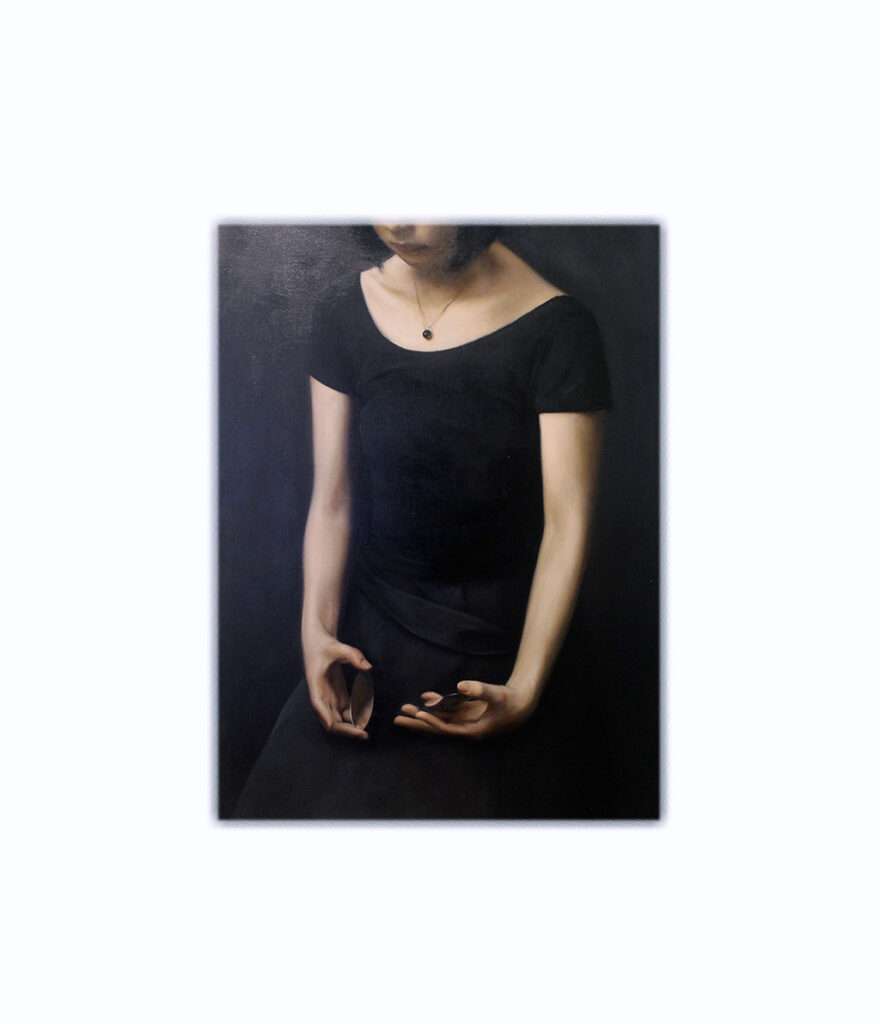
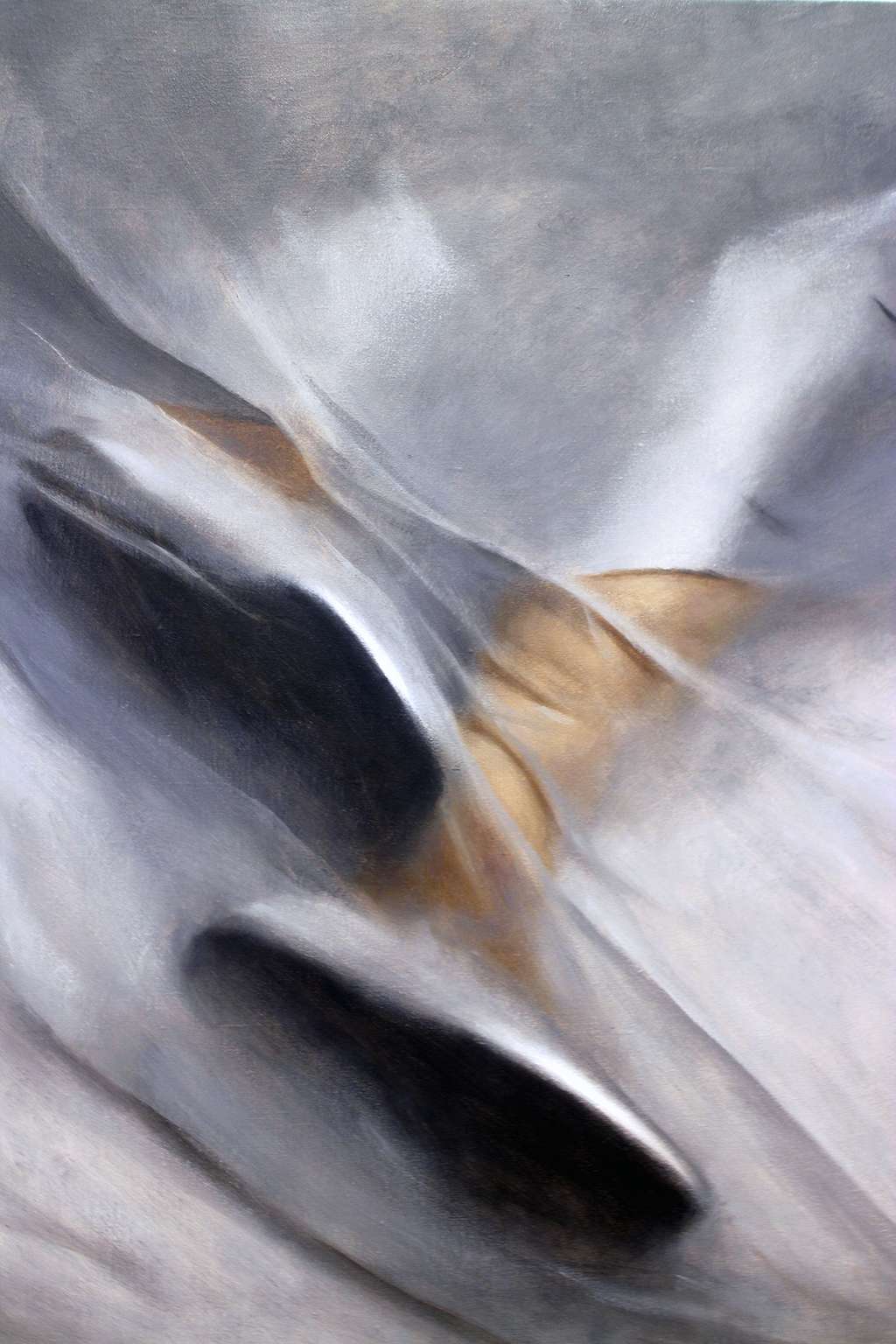
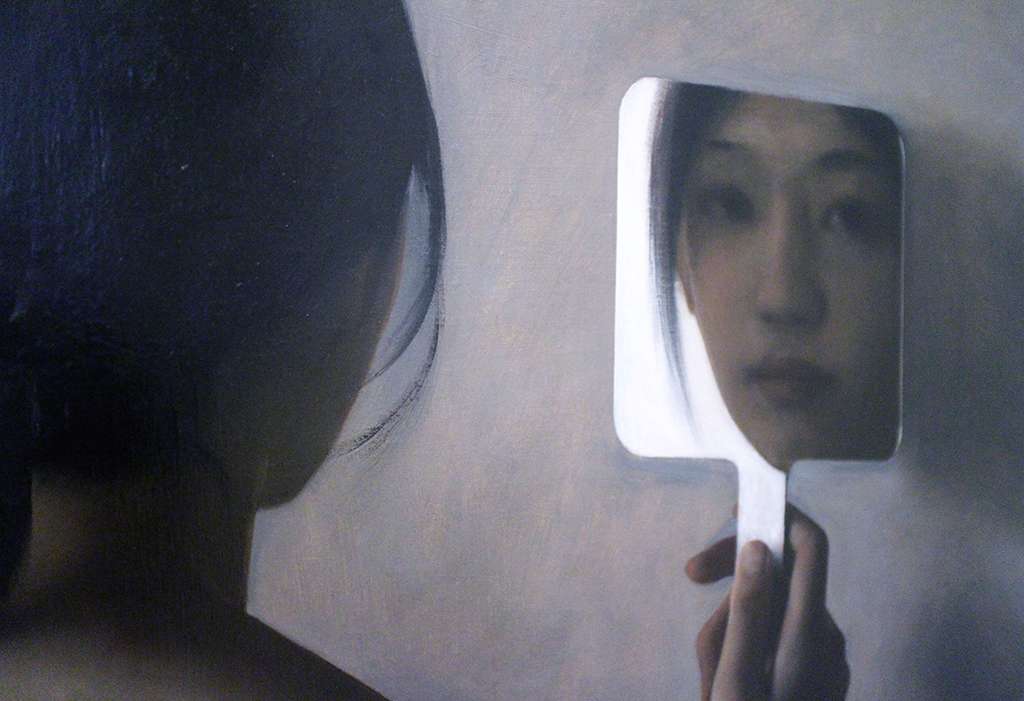
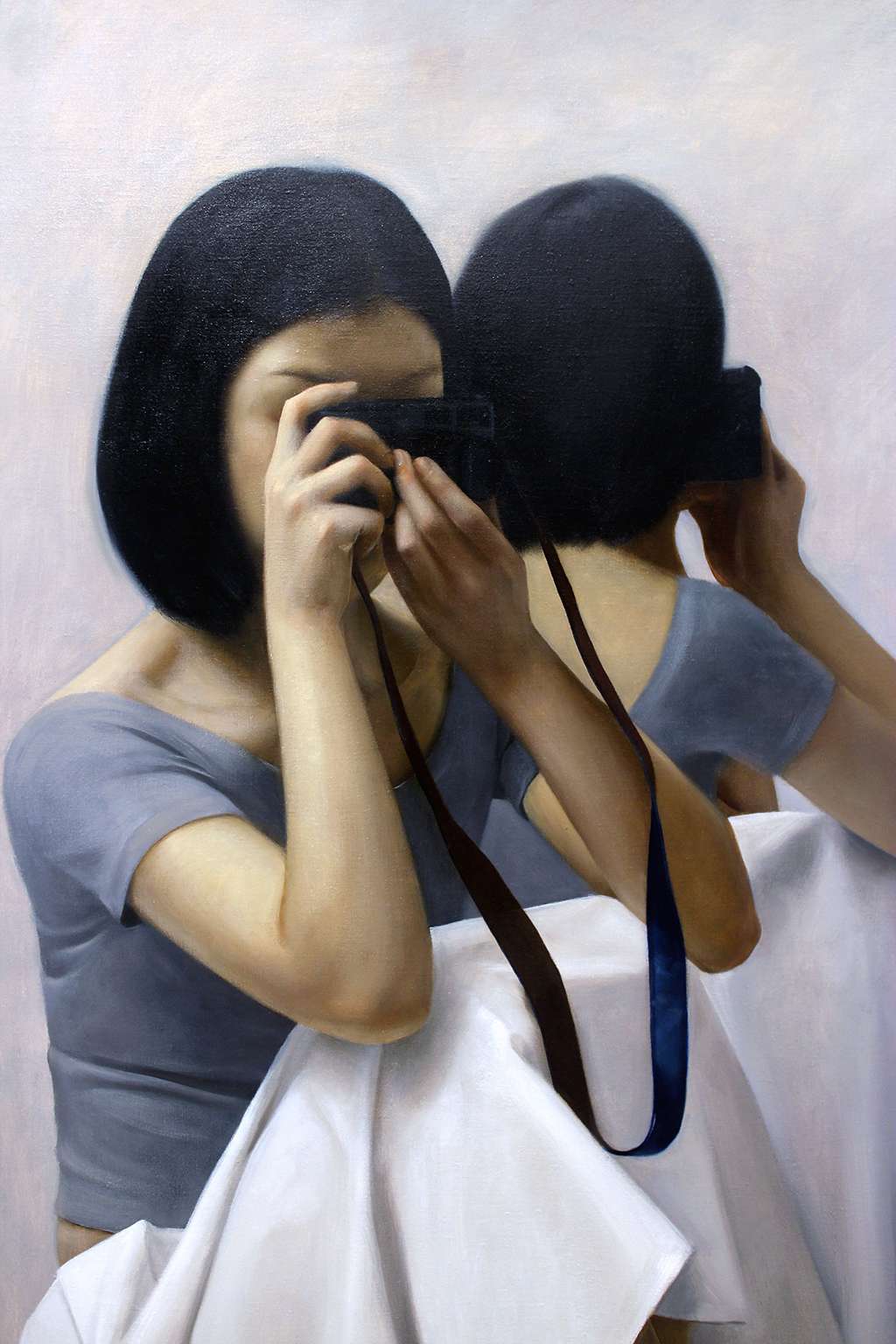
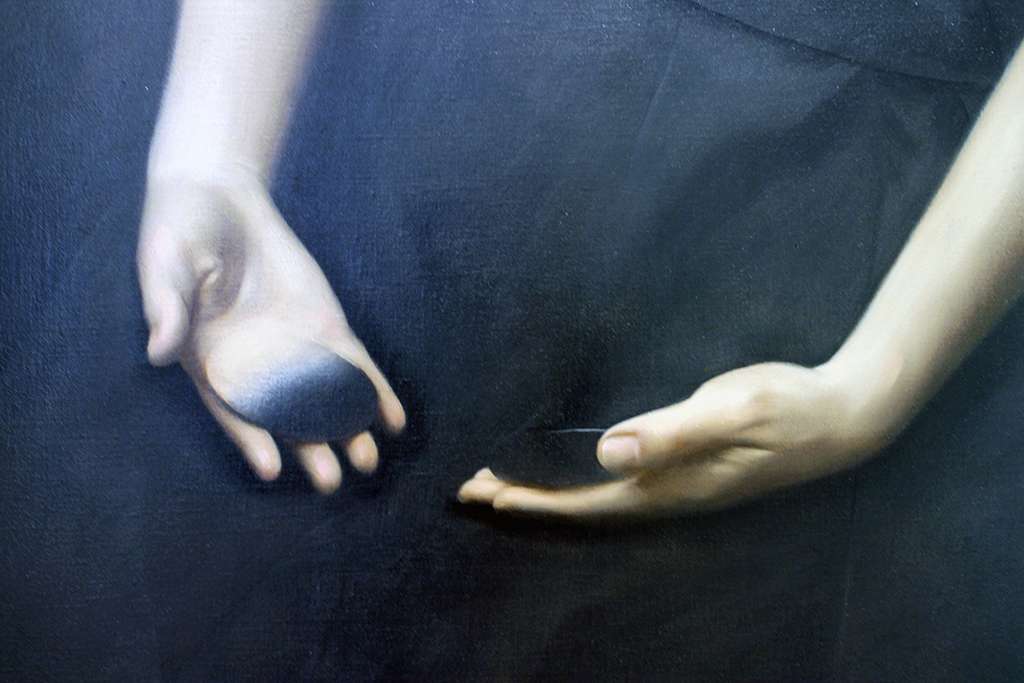
During our visit to MASSIMODECARLO London, 4me4you encountered One Table, Two Chairs 一桌二椅, Xue Ruozhe’s first exhibition with the gallery.
MY PROCESS
Created specifically for the London space, the exhibition brings together a new series of paintings that explore restraint, repetition and imagination, inviting us to slow down and really look.
One Table, Two Chairs 一桌二椅
The title comes from the simplicity of traditional Chinese theatre, where just one table and two chairs can become a palace, a battlefield or a riverbank. With almost nothing on stage, an entire world is created through suggestion, and through the imagination of the audience. Xue brings a similar idea into the gallery, where what is left out can feel just as important as what is shown.
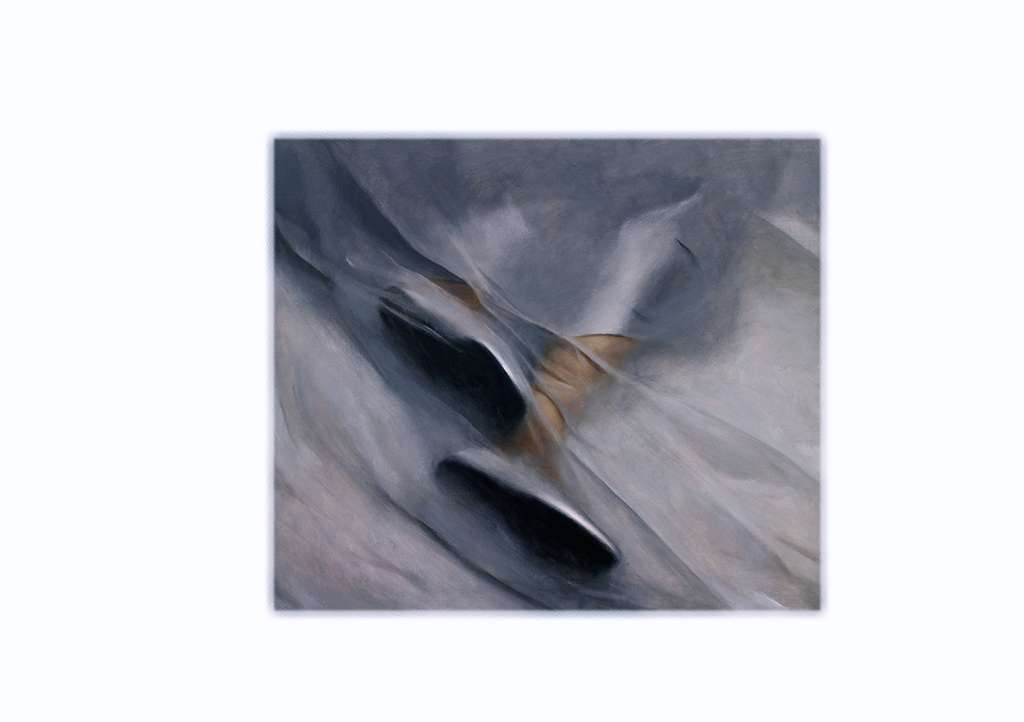
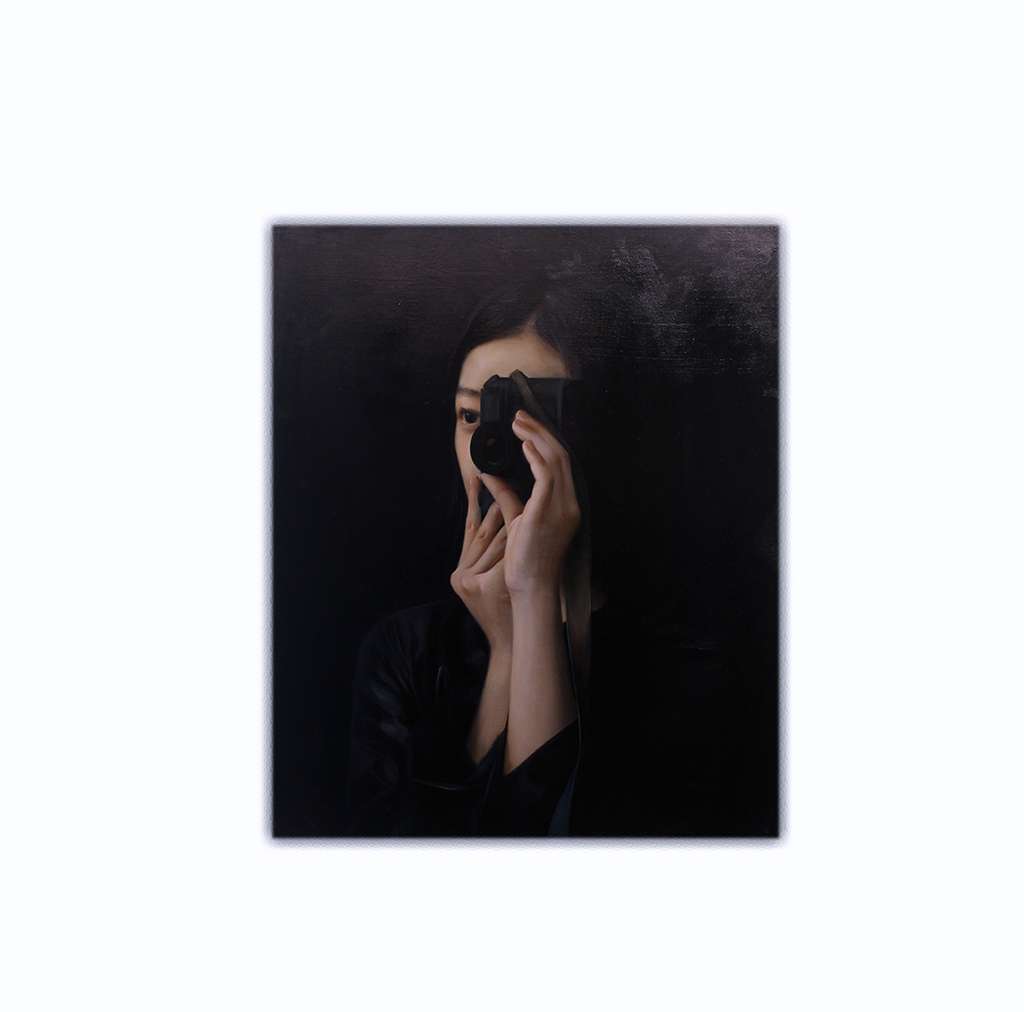
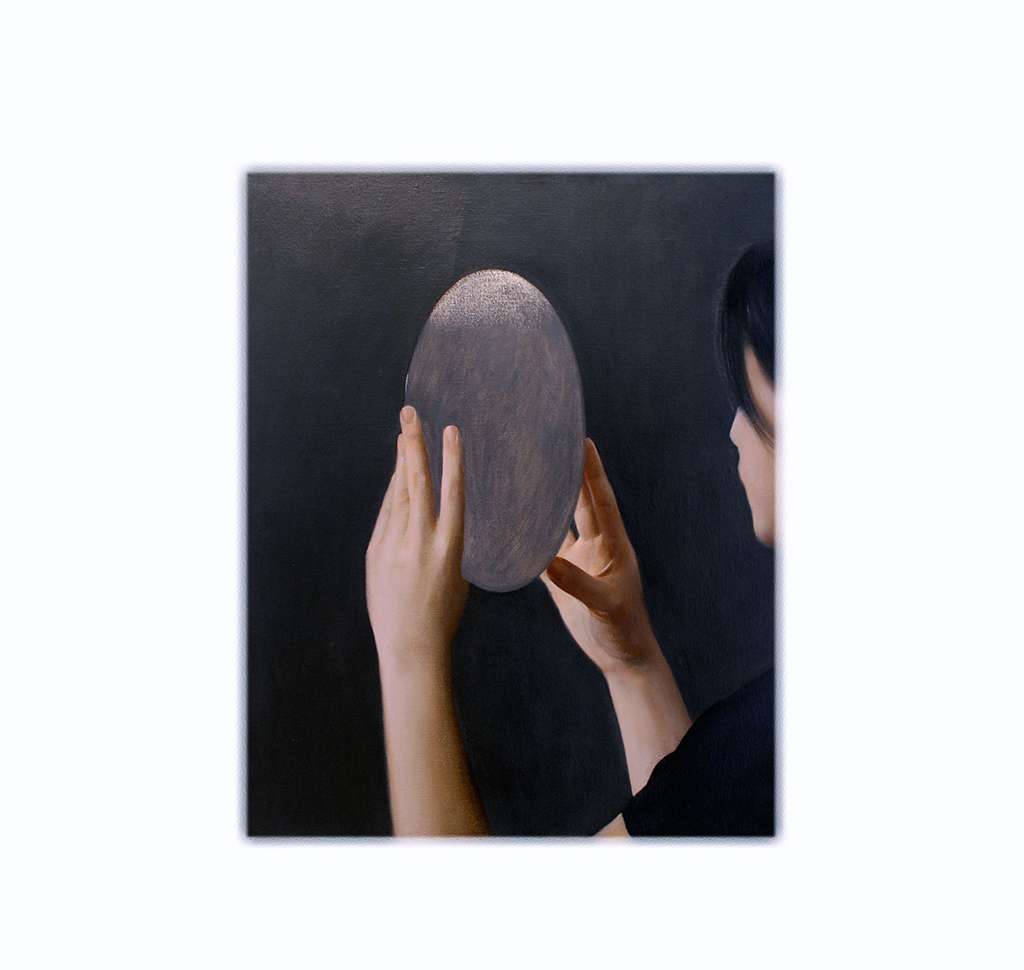
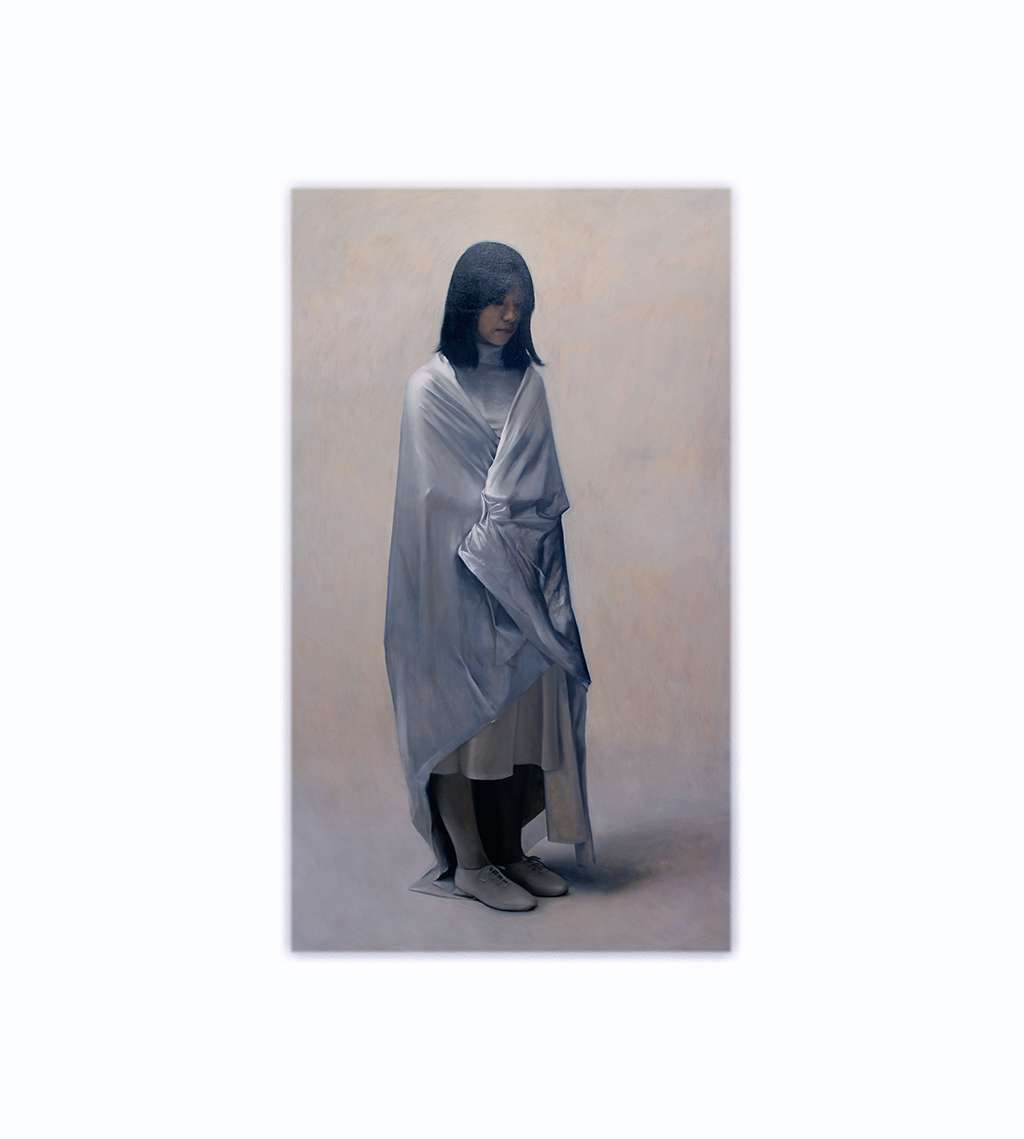
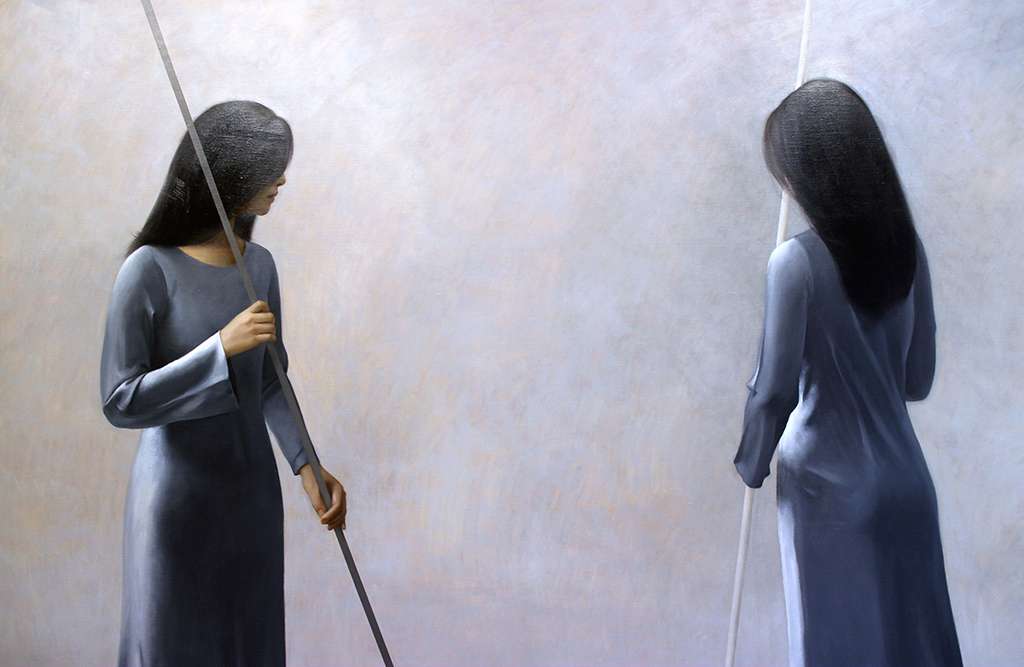
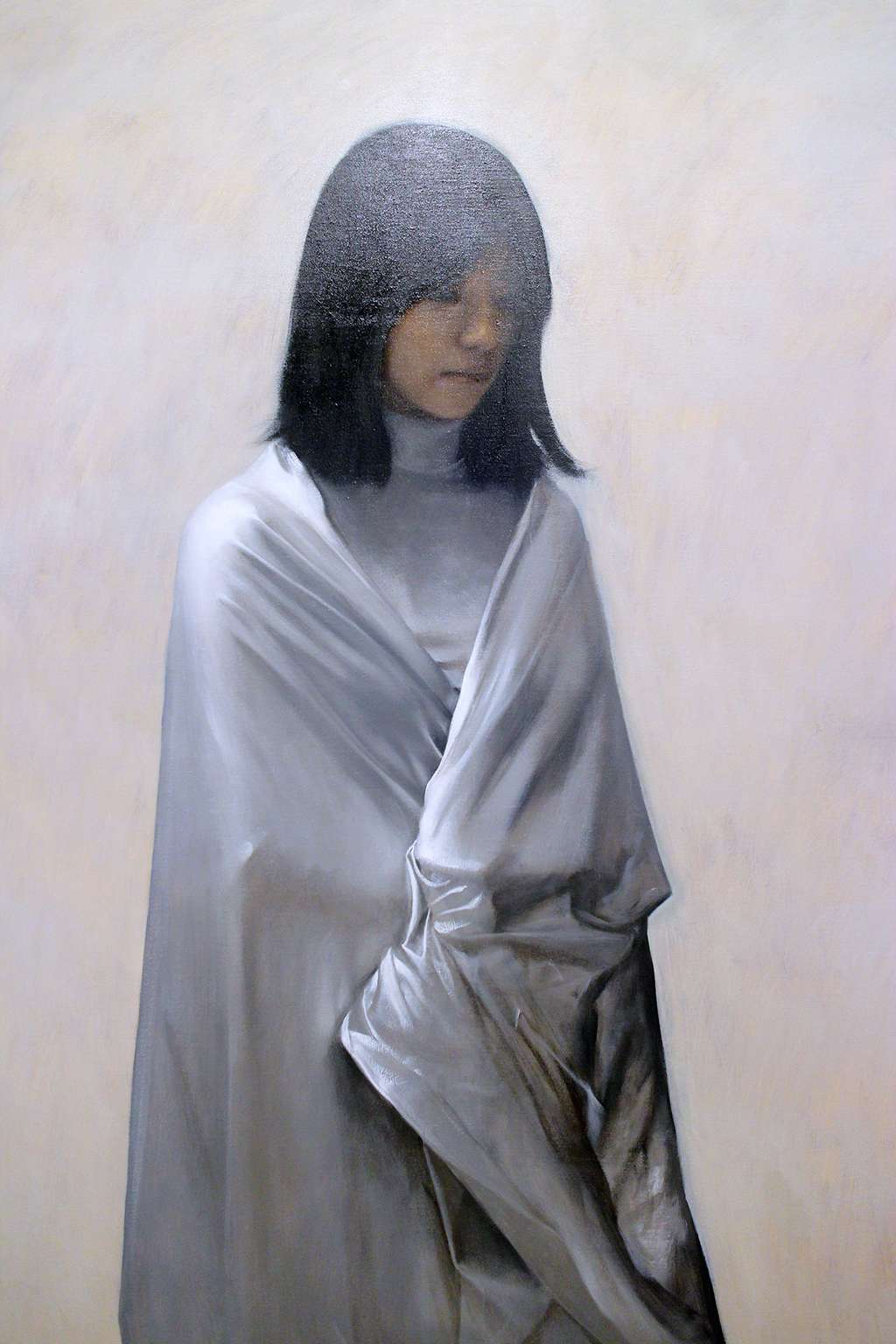
Across the three rooms, the paintings are mostly made up of black, white and soft, muted warm tones. Xue draws on the traditional Chinese idea that black can contain five colours, turning what might initially appear monochromatic into something much more nuanced. The longer you look, the more you begin to notice subtle changes in temperature, light and depth,warm and cool, near and far, solid and atmospheric.
There is also a connection to the classical Chinese ink-painting principle of liu bai (留白), or “leaving blank”. Here, empty space isn’t simply an absence. It becomes part of the painting, creating room for the viewer’s imagination to fill in what isn’t there. Xue has spoken about knowing when to stop the brush, leaving something unresolved rather than explaining everything.
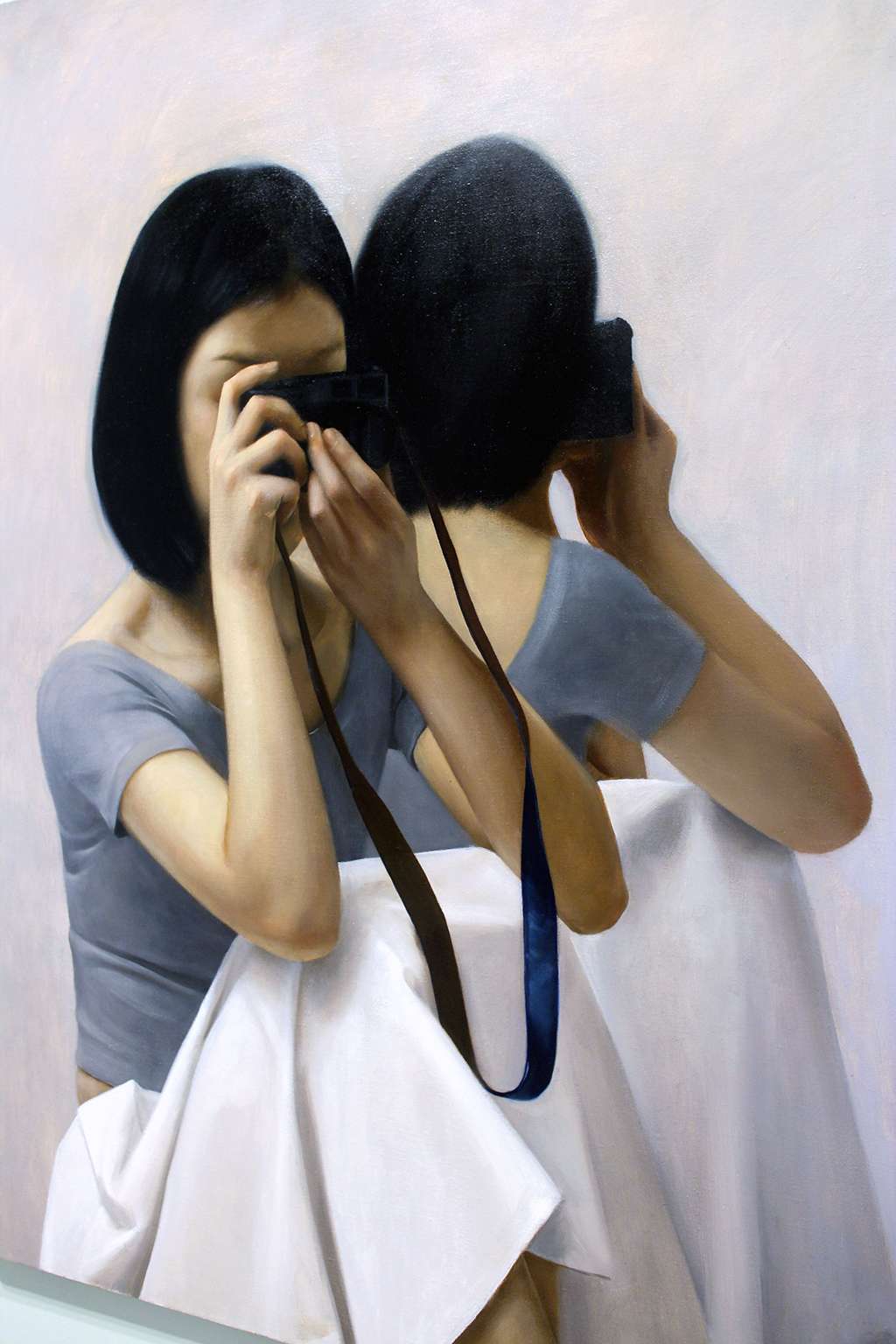
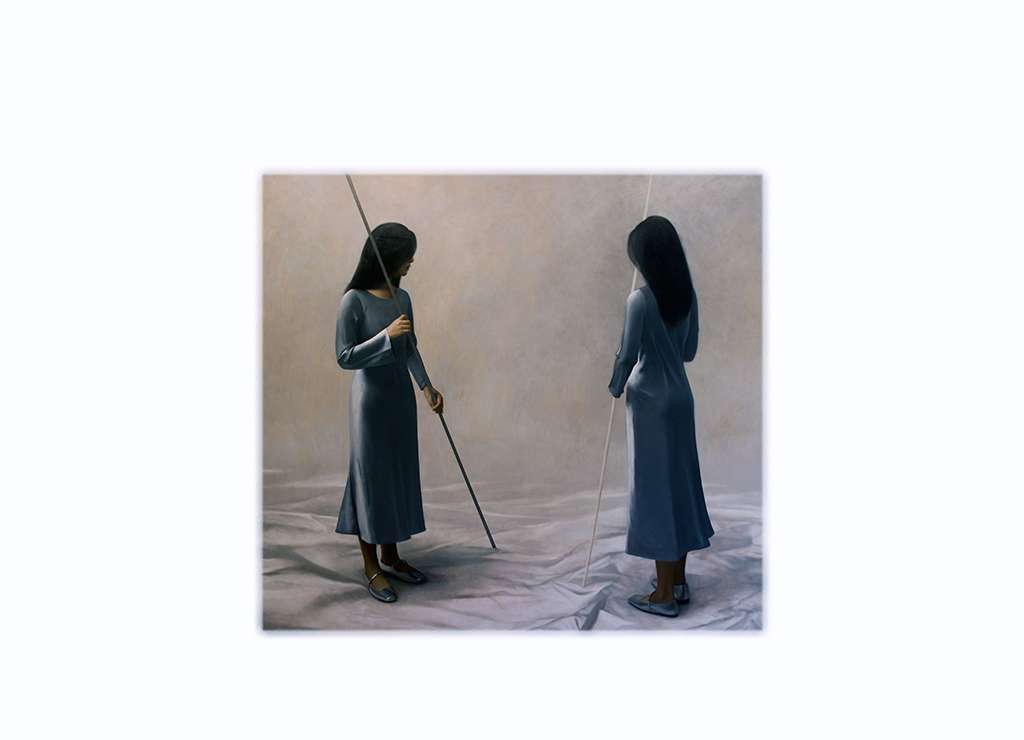
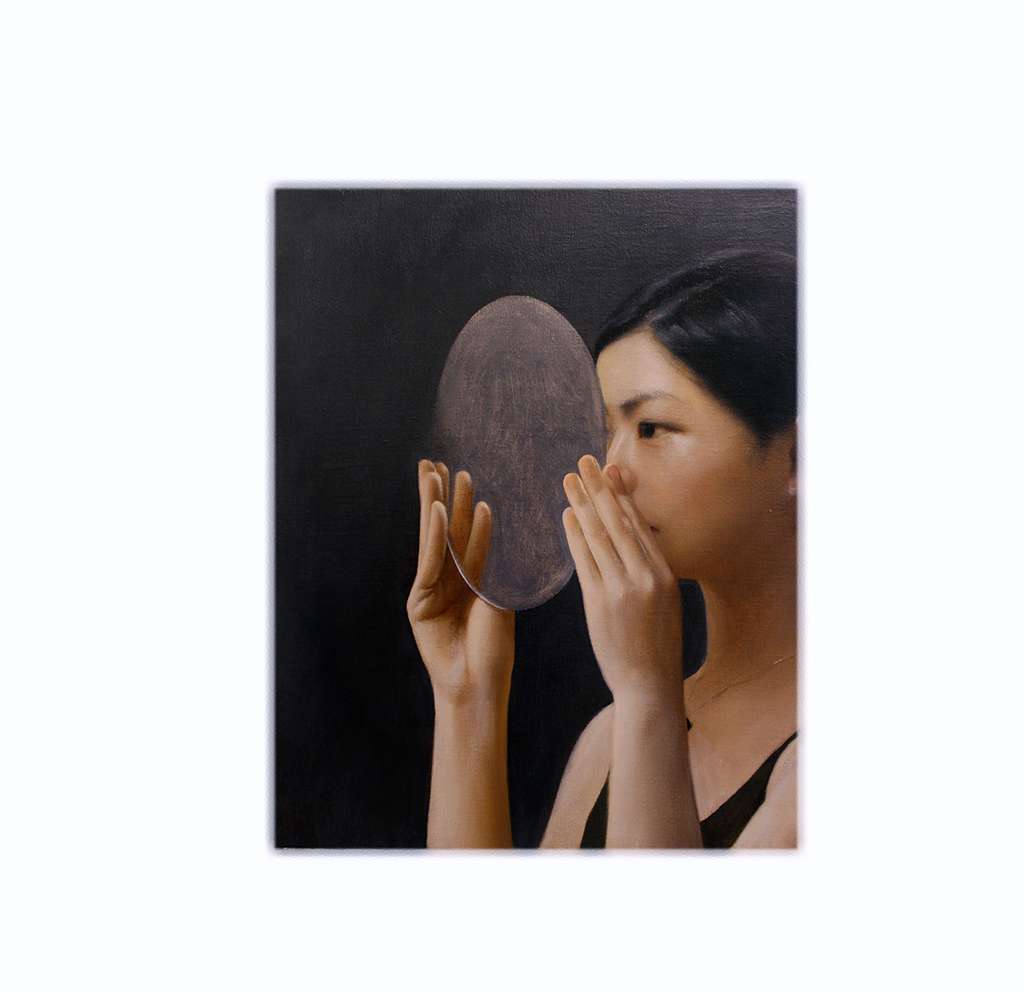
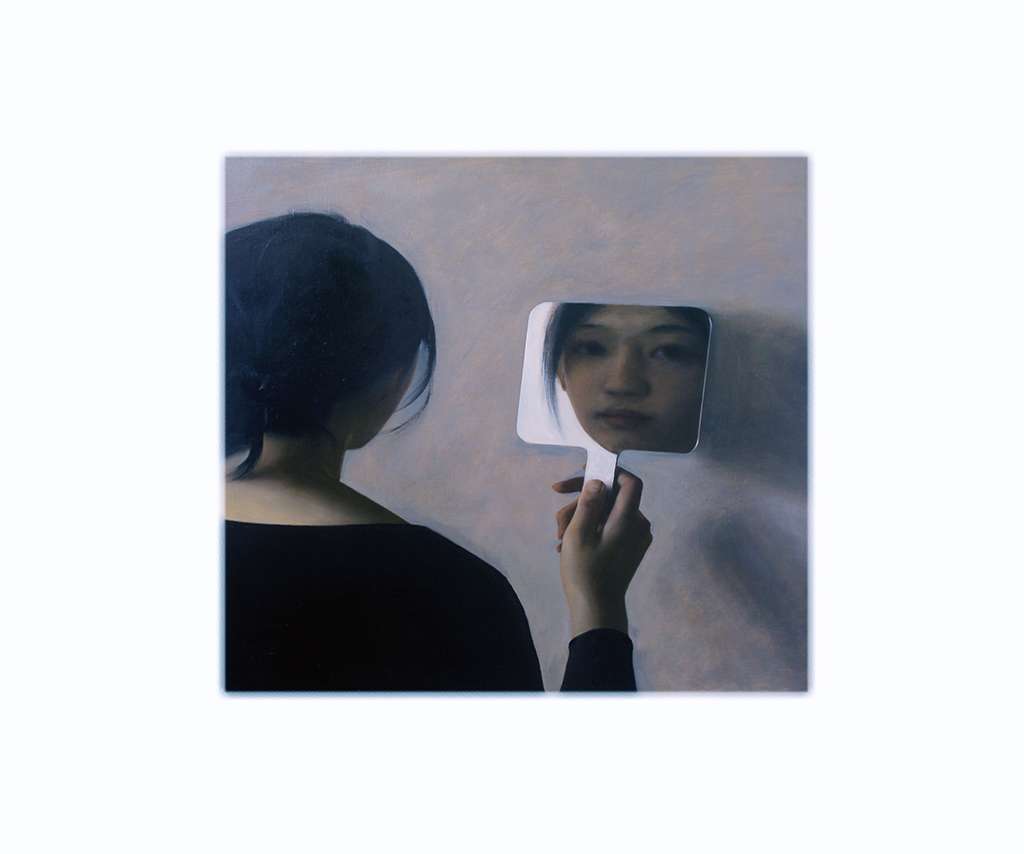
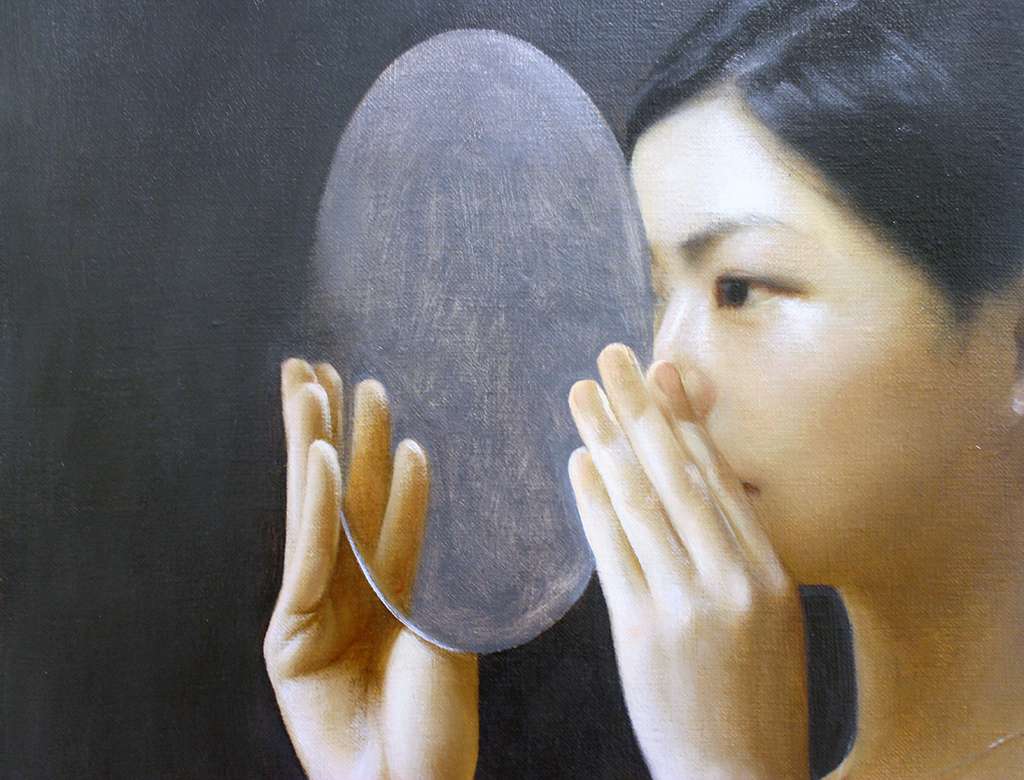
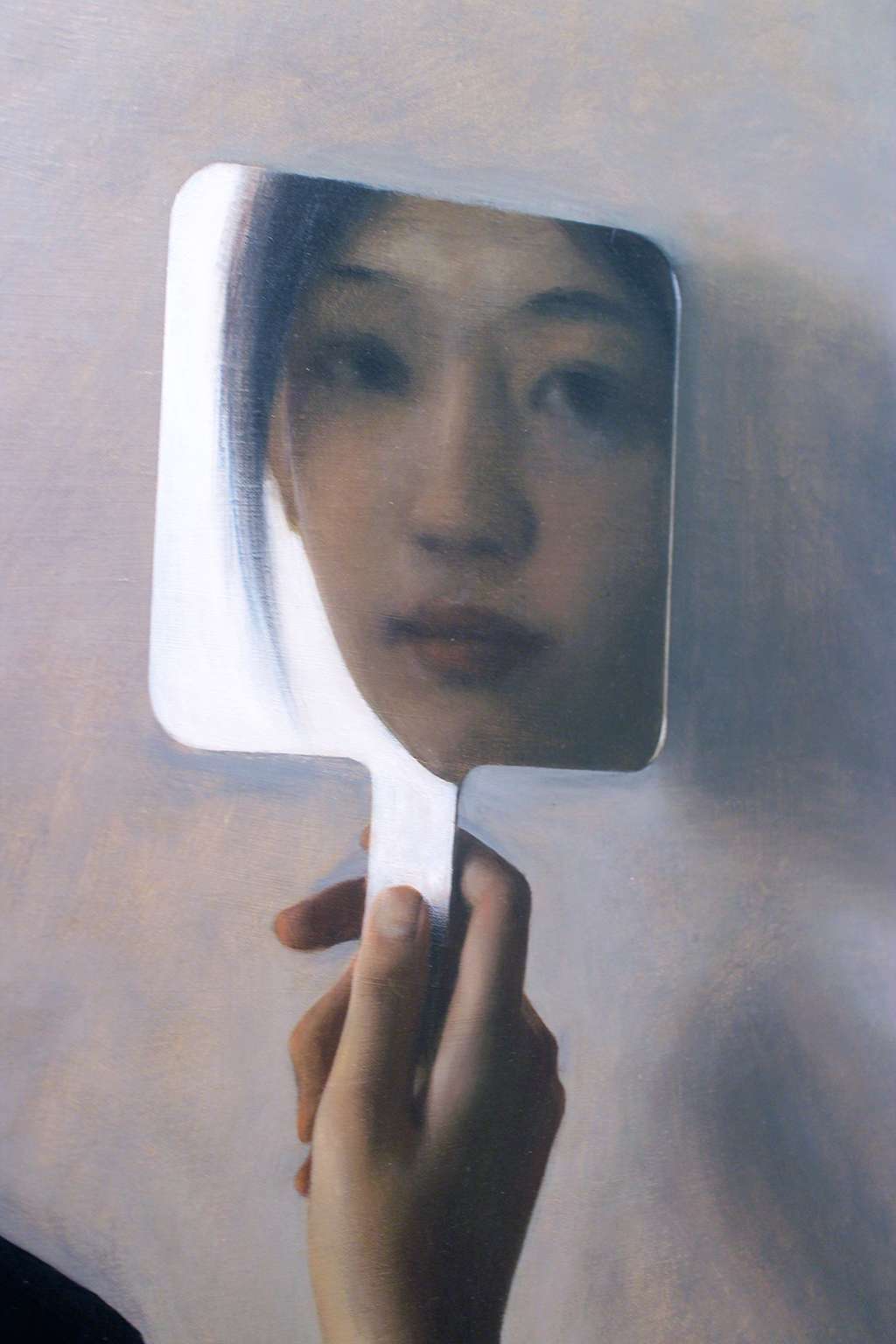
Two girls appear throughout the exhibition. They cross a river, encounter their reflections and turn towards one another. At times, they seem to be the same person appearing twice within the same space. The mirror itself may disappear, replaced by the camera, reflection and the construction of the painting. Rather than showing two separate moments, Xue brings both figures into the same instant, creating a quiet sense of doubling.
Running underneath these images is another kind of doubling. The exhibition draws loosely on the myth of Perseus and Medusa, but tells the story entirely from Perseus’s perspective. In Xue’s version, Perseus becomes a girl, while Medusa is never seen. Her absence feels intentional, leaving the paintings open to questions around identity, memory and the act of looking.
The girls depicted are often friends of the artist, and Xue has described each painting as a kind of self-portrait. Through them, she becomes both the person being seen and the person doing the looking. The viewer is drawn into that same position — observing while also becoming part of the scene.
What stayed with us most after walking through One Table, Two Chairs 一桌二椅 was how much Xue manages to suggest with so little. A river can appear through just a few changes in tone. A mirror can be present without ever being painted. And an entire myth can sit quietly in the background without its central figure ever appearing.